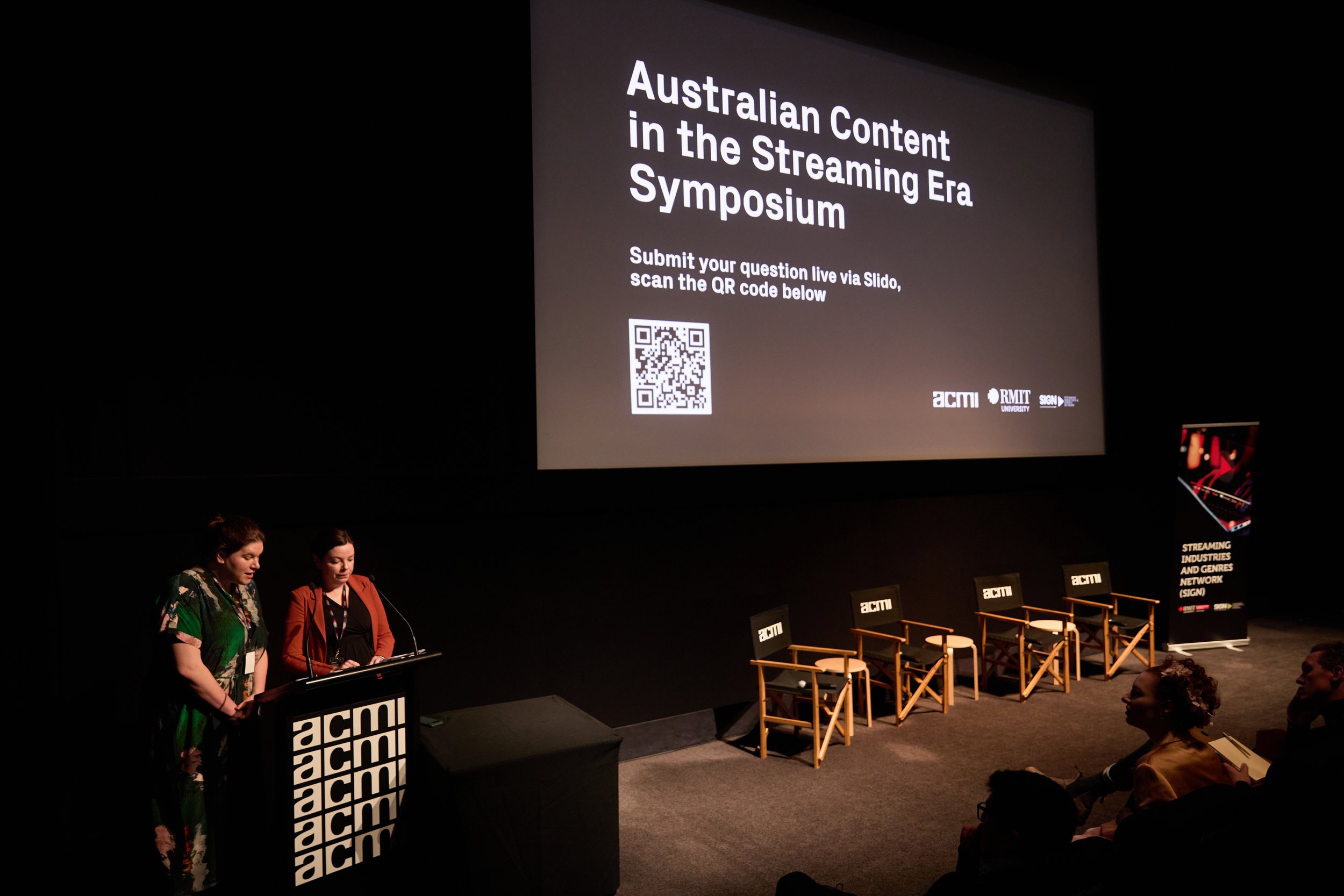
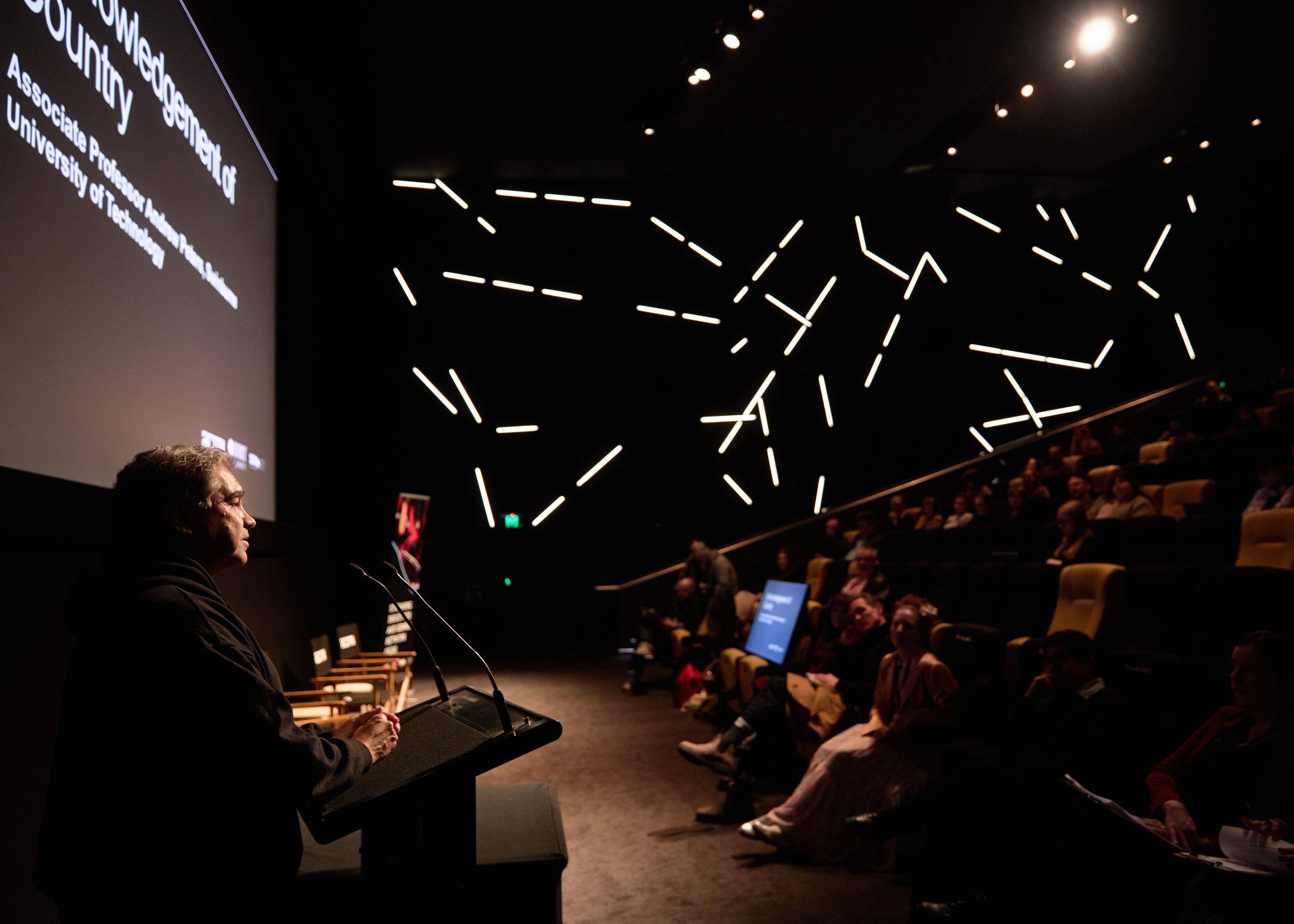
‘1oo Years of Broadcast TV’ Symposium
Date: Friday 6 February 2026
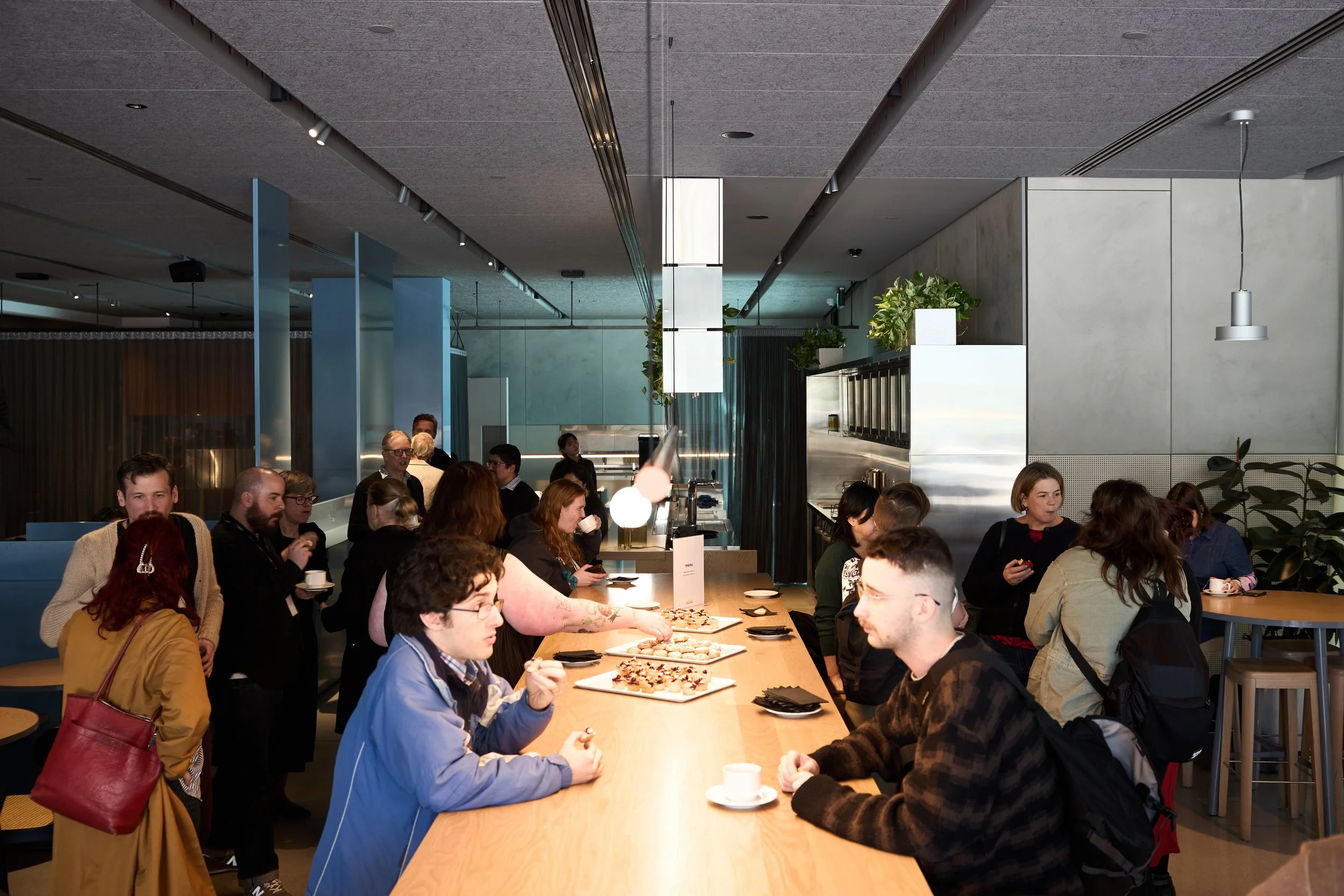
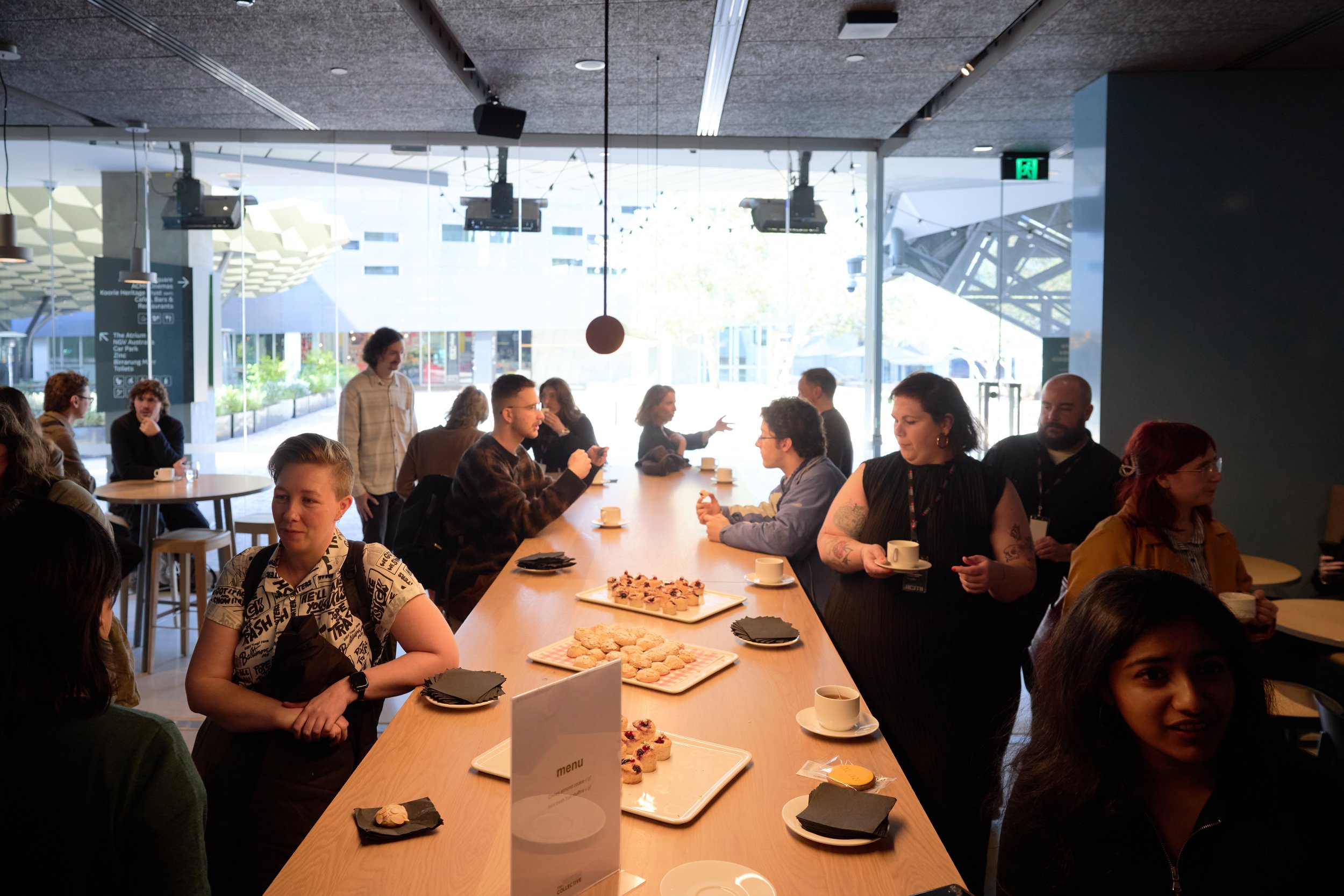
Time: 9.30am–5.00pm (Networking drinks to follow)
Location: RMIT University Melbourne - Kaleide Theatre, 360 Swanston St, Melbourne VIC 3000
Cost: $50 regular; $25 students
RMIT University’s Streaming Industries and Genres Network (SIGN) presents the ‘100 Years of Broadcast TV’ Symposium, which reflects on the impact of the broadcast signal across media and communication industries in Australia.
Australia was a latecomer to broadcast television in 1956, 30 years after John Logie Baird’s first public demonstration of a true television broadcast signal in 1926. Broadcast TV went on to disrupt existing news, media and entertainment to form a billion-dollar industry engaging and assembling audiences and reaching into every part of Australia, from cities to remote communities. But the disruptor has become the disrupted. Streaming, social media and countless media convergences have irrevocably changed the broadcast TV industry. The future of television broadcasting in Australia is highly uncertain.
This symposium brings together industry and academic experts in television production, news, advertising, and policy to discuss the question: What would Australian culture look like without broadcast television?
Over this one-day event, we will explore this provocative question through a keynote address by Professor Jock Given (Swinburne University of Technology), and four themed panels.
Reflecting on the impact and future of broadcast TV in Australia
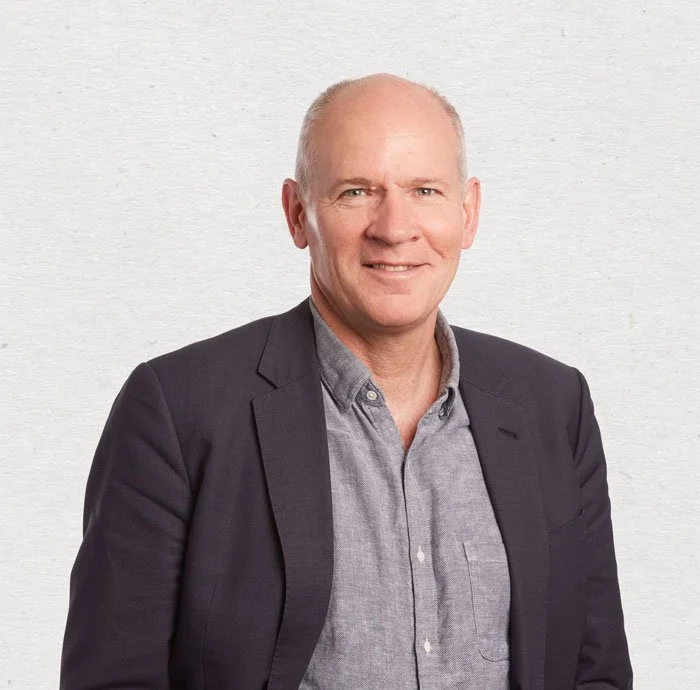
Keynote address: ‘What causes television?’
Professor Jock Given
Adjunct Professor, School of Social Sciences, Media, Film and Education
Swinburne University of Technology
Professor Jock Given researches and writes about media and communications business, policy, history and law. He is the author of The Death of Broadcasting: Media’s Digital Future (1998) and Turning Off the Television: Broadcasting’s Uncertain Future (2003). Jock has led Australian Research Council and Social Sciences and Humanities Research Council of Canada-funded grants on broadband infrastructure, global communications, television distribution in the online age and radio spectrum after scarcity. His radio documentaries Empire State: Ernest Fisk and the World Wide Wireless and Crawfords: Television for the People were broadcast on ABC Radio National in 2012 and 2014. Jock’s work has been published in Australian Journalism Review, Business History, Telecommunications Policy, Studies in Australasian Cinema and the Historical Records of Australian Science. Jock previously worked as Director of the Communications Law Centre, Policy Advisor at the Australian Film Commission and Director, Legislation and Industry Economics in the federal Department of Transport and Communications.
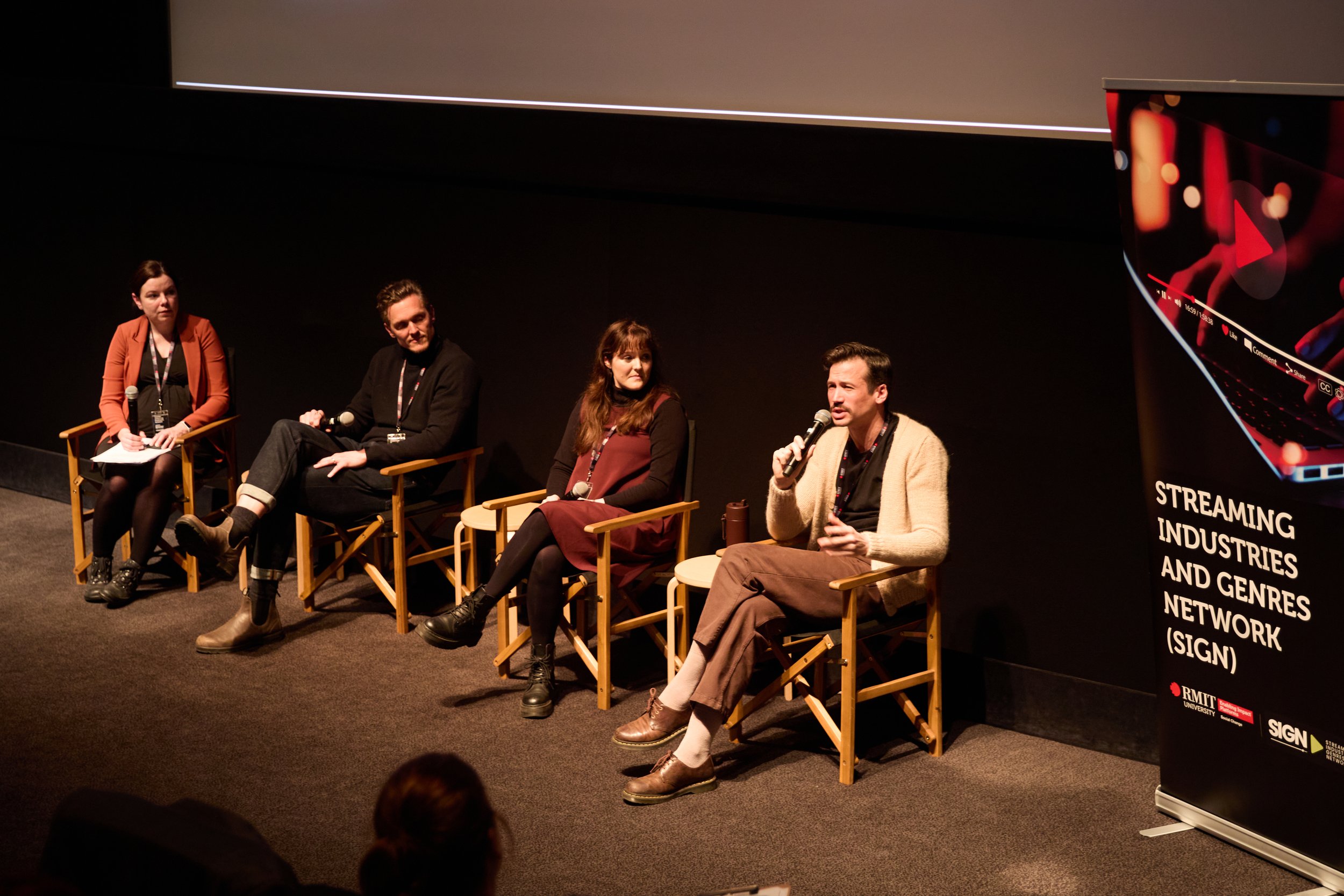
Following the keynote, four panels will bring together academic and industry voices to examine Australian television today and into the future.
Panel 1 – The History of Australian TV (moderated by Dr Damien O’Meara)
Jessica Balanzategui – Associate Professor in Media and Cinema, RMIT University
Amanda Higgs – writer, producer and executive at Matchbox Pictures, co-creator of The Secret Life of Us
Mitch McTaggart – writer, producer, host of The Last Year of Television and The Backside of Television on Binge
Panel 2 – Is There a Future for Australian News on Broadcast TV? (moderated by Professor Alexandra Wake)
Hugh Nailon – Nine National TV News Director
Justin Stevens – ABC News Director
Panel 3 – Not Happy, Jan...: Australian Television and Advertising (moderated by Professor Robert Crawford)
Jackie Dickenson – Senior Research Associate in Advertising at the University of Melbourne
Simon Lawson – Managing Director at PHD Melbourne
Ricci Meldrum – Managing Director at TBWA\Melbourne
Panel 4 – Australian Broadcast TV Today and Beyond (moderated by Dr Alexa Scarlata)
Marco Angele – Media and Entertainment Lawyer at Marshalls + Dent + Wilmoth
Djoymi Baker – Senior Lecturer in Media and Cinema at RMIT University
Jenny Buckland – CEO of the Australian Children’s Television Foundation
Dean Dezius – General Manager at Freeview Australia
The conference will close with the launch of the new book, Australian Queer Screens: Diversity and Social Change in Film and TV (Rob Cover, Whitney Monaghan, Stuart Richards, Scott McKinnon, Tinonee Pym. 2026), with Dr Damien O'Meara in conversation with authors Professor Rob Cover and Dr Whitney Monaghan.
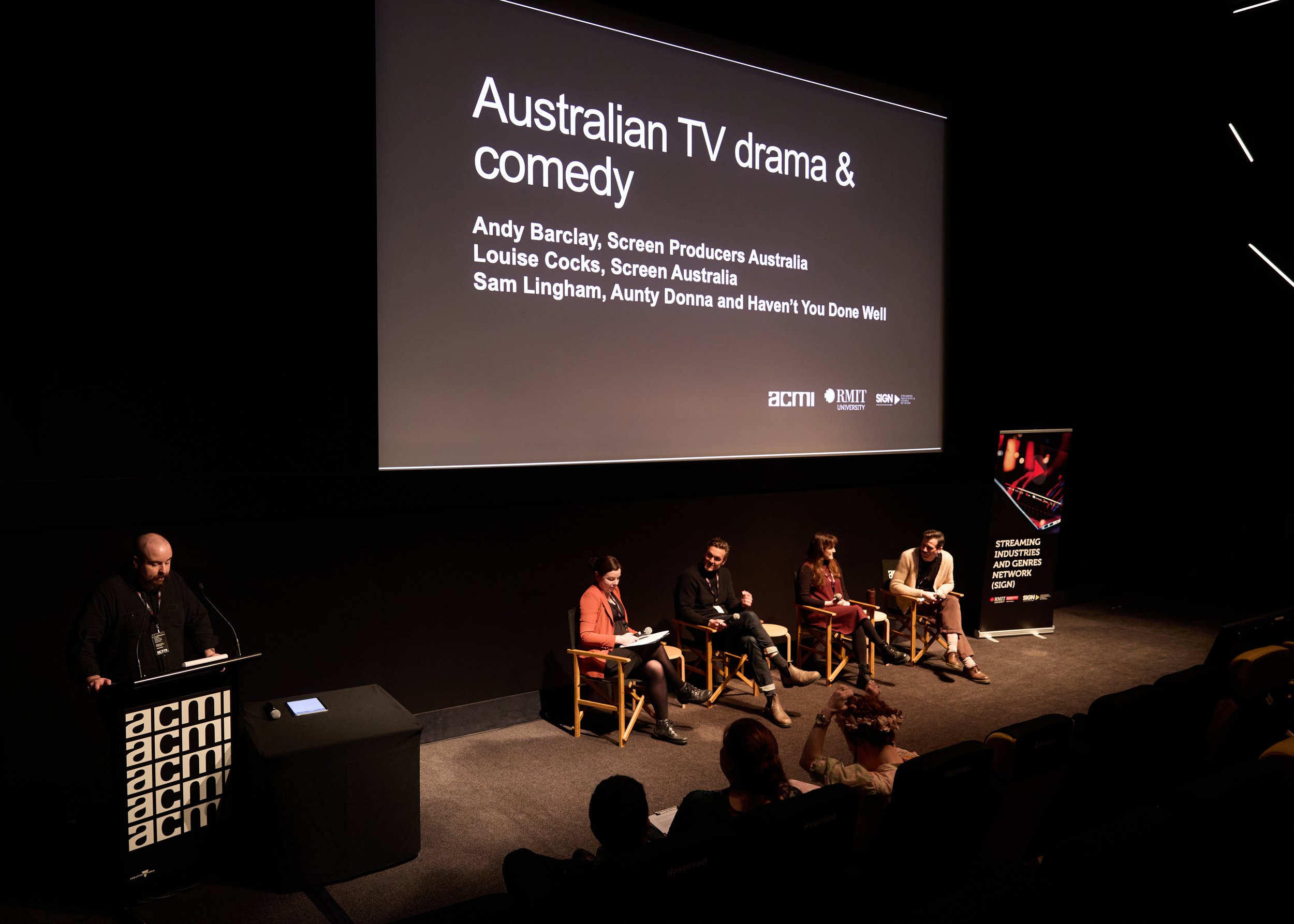
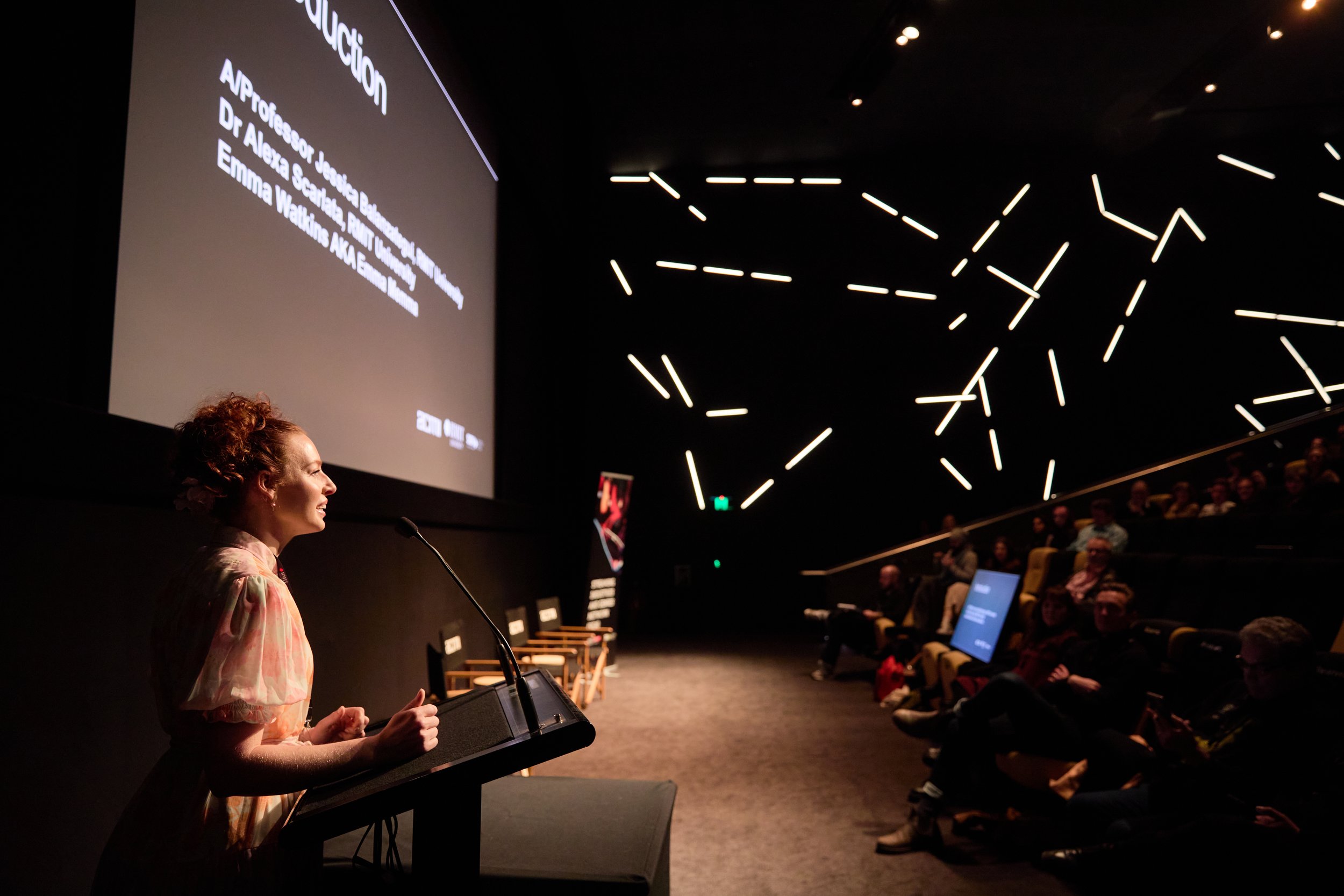
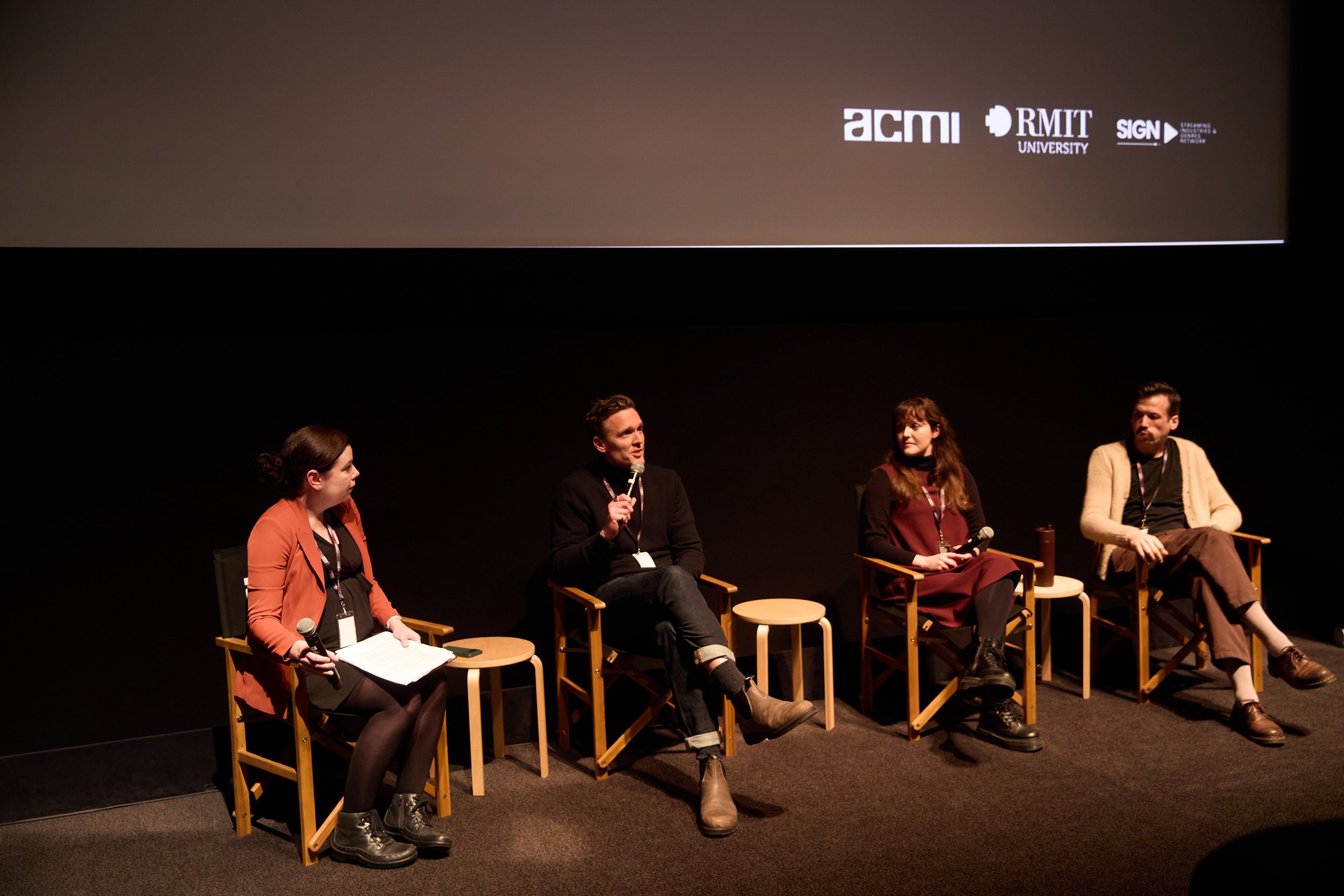
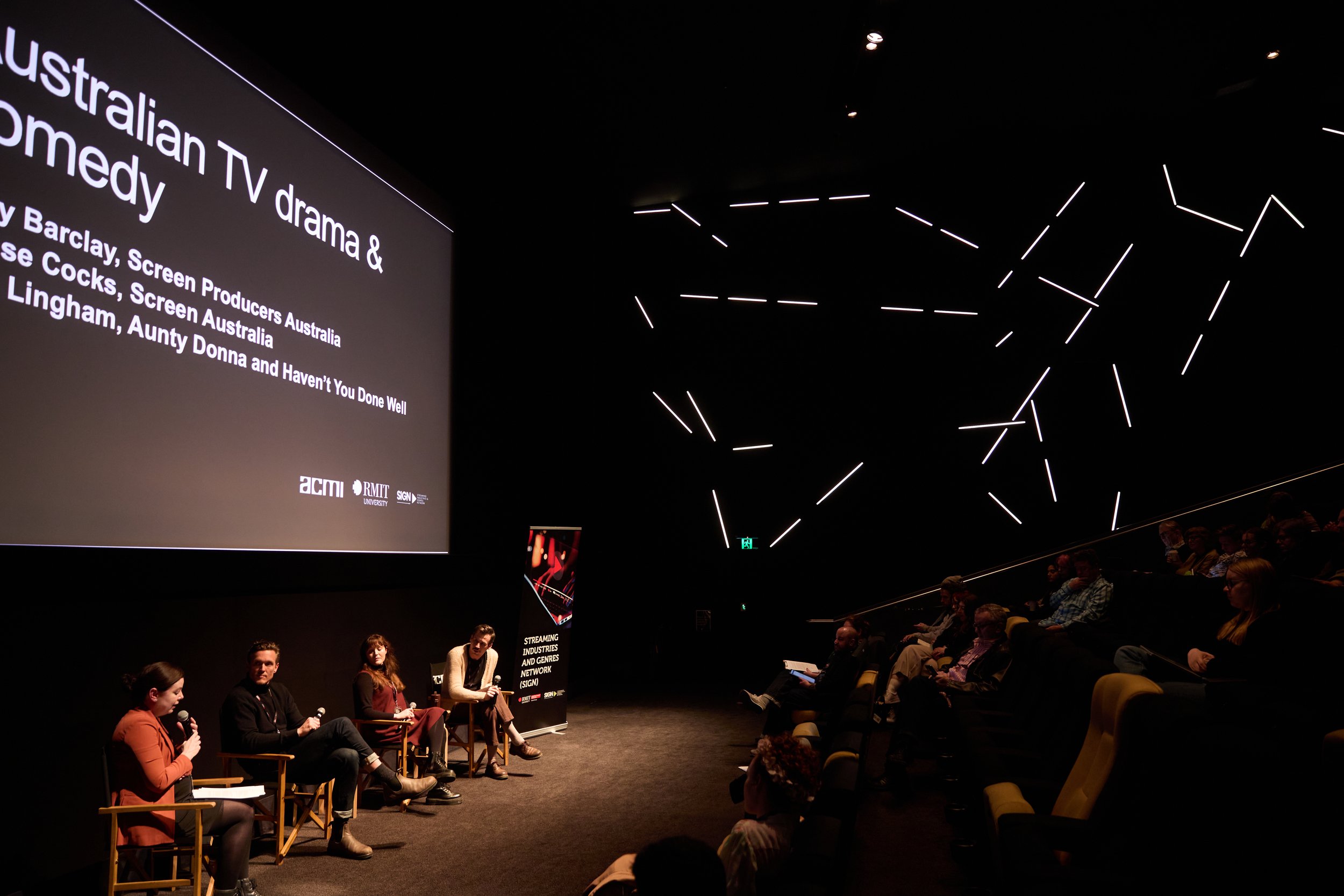
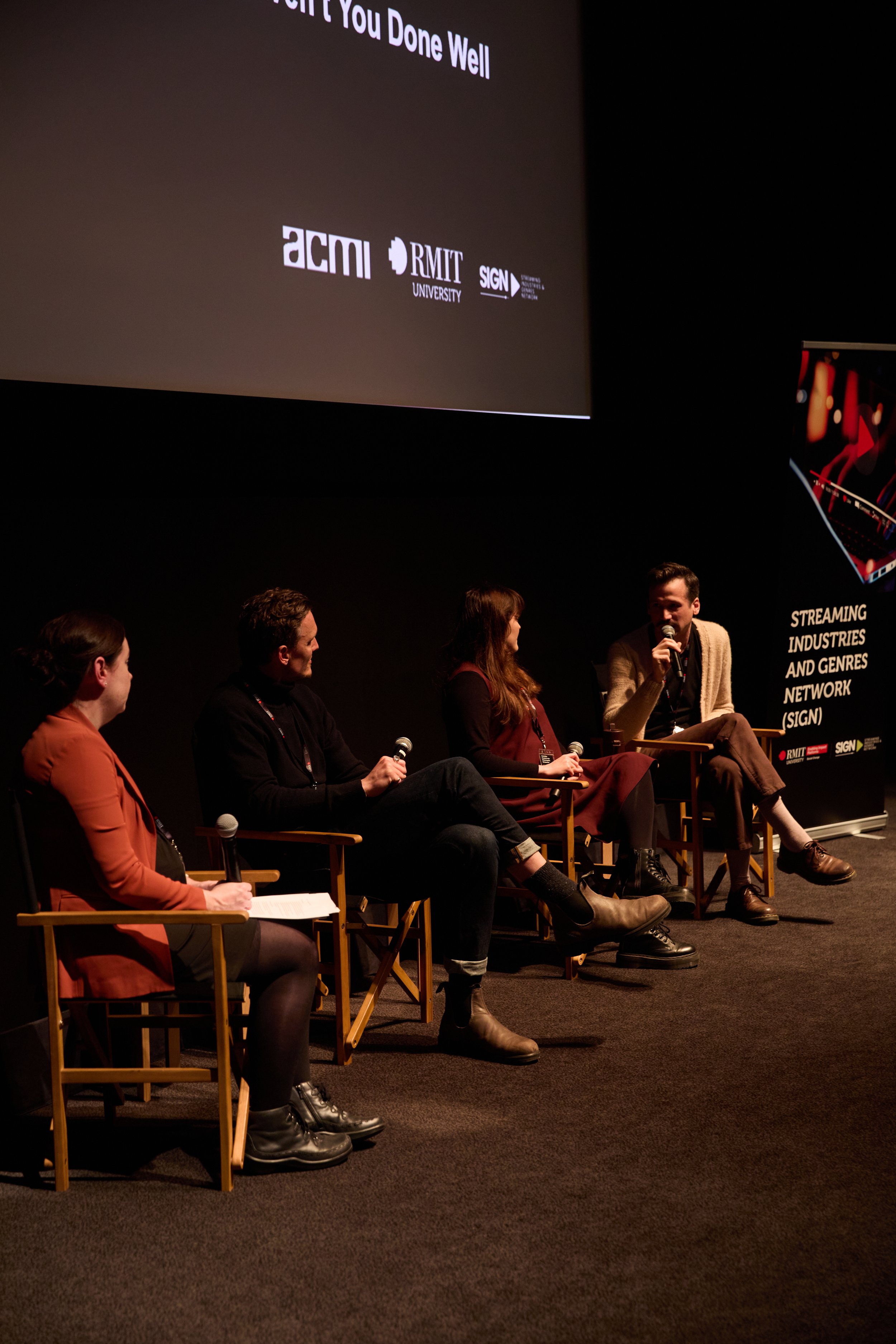
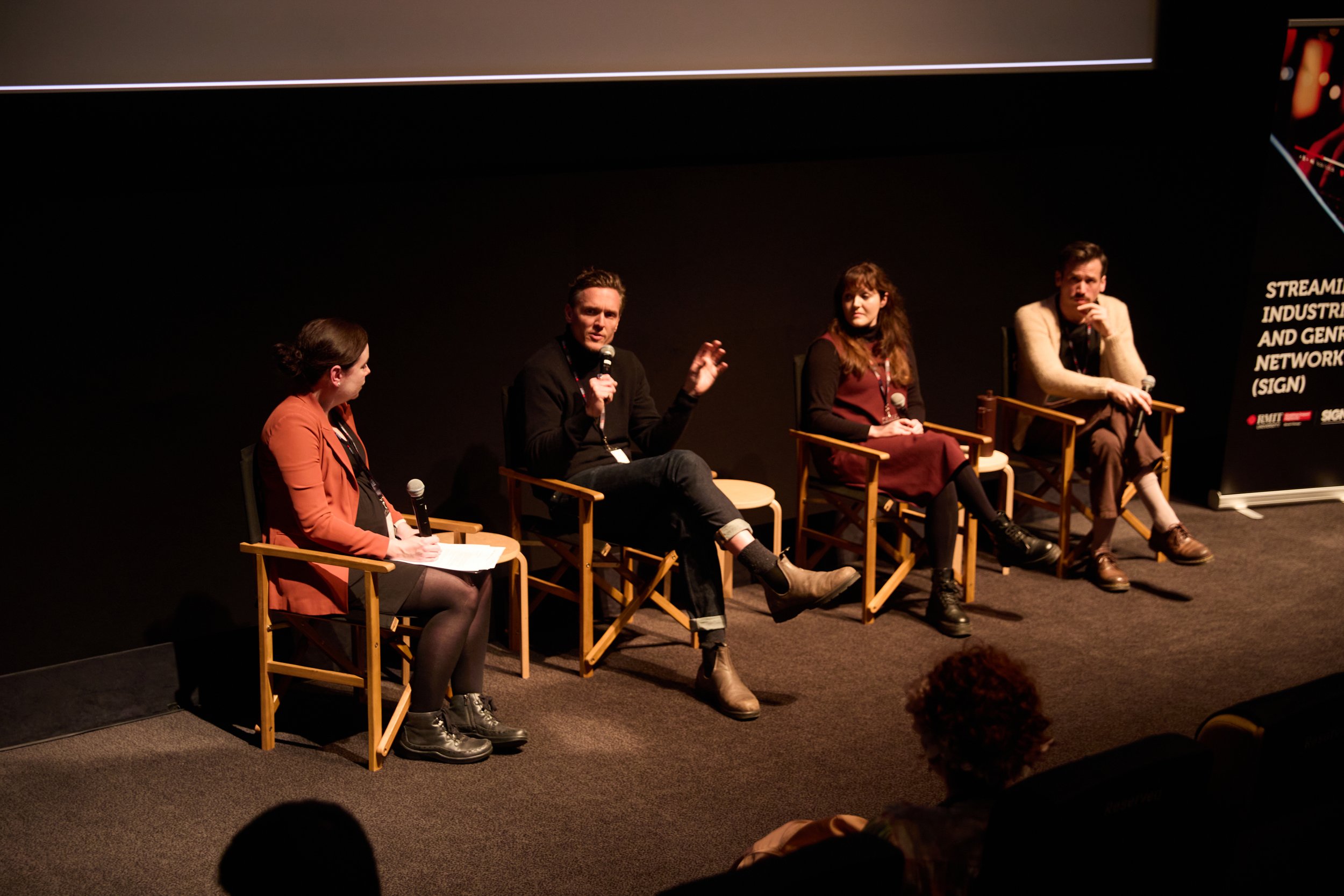
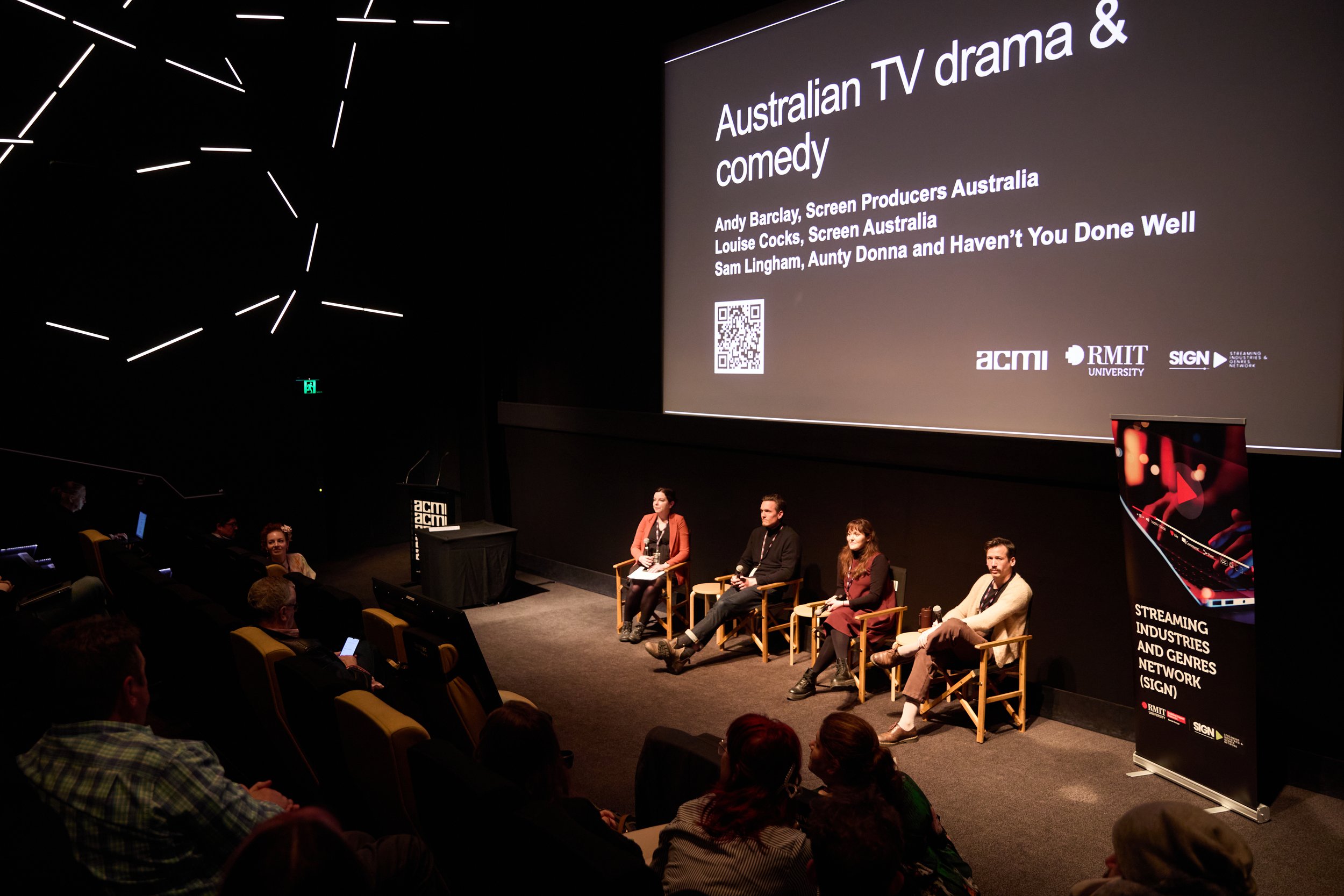
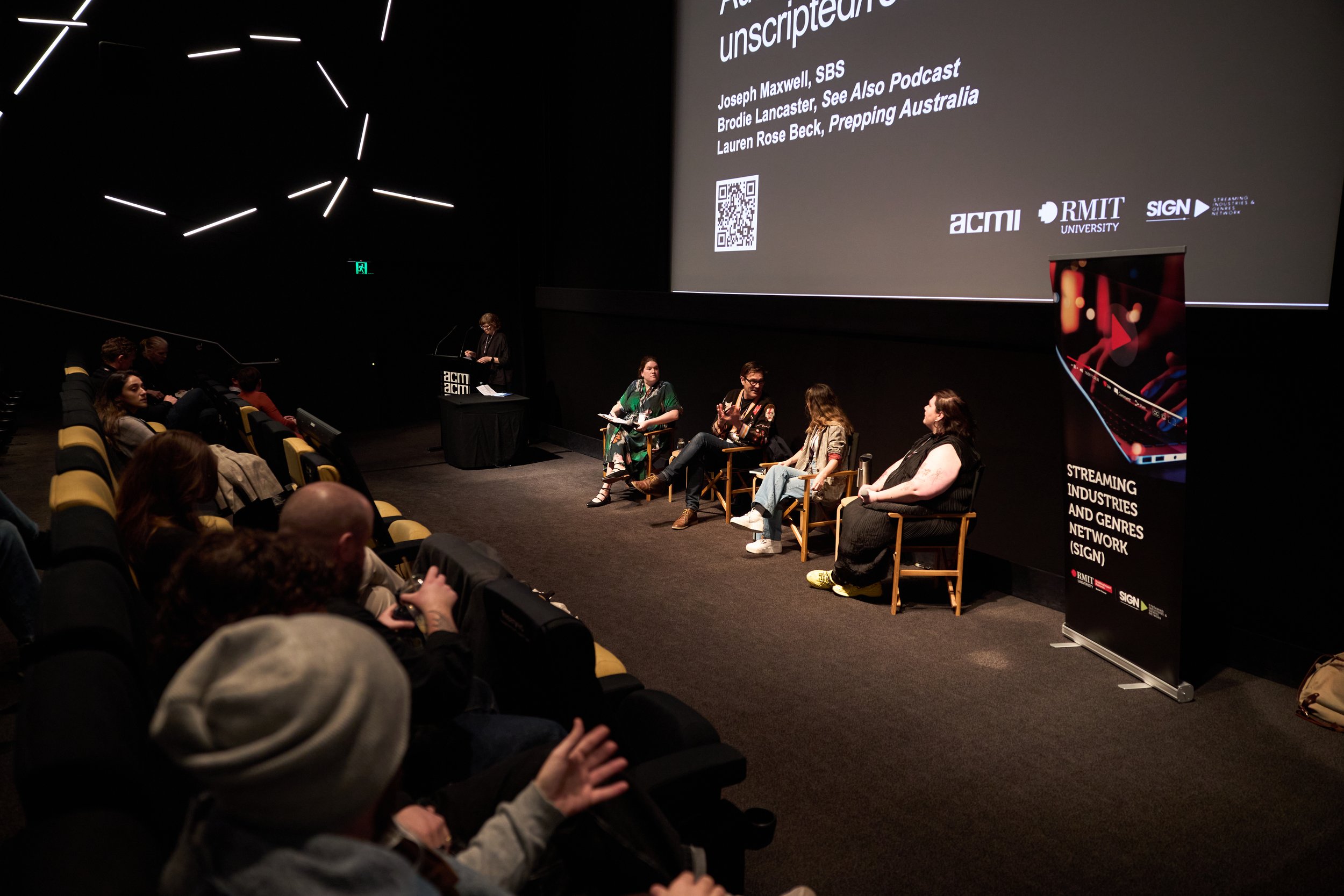
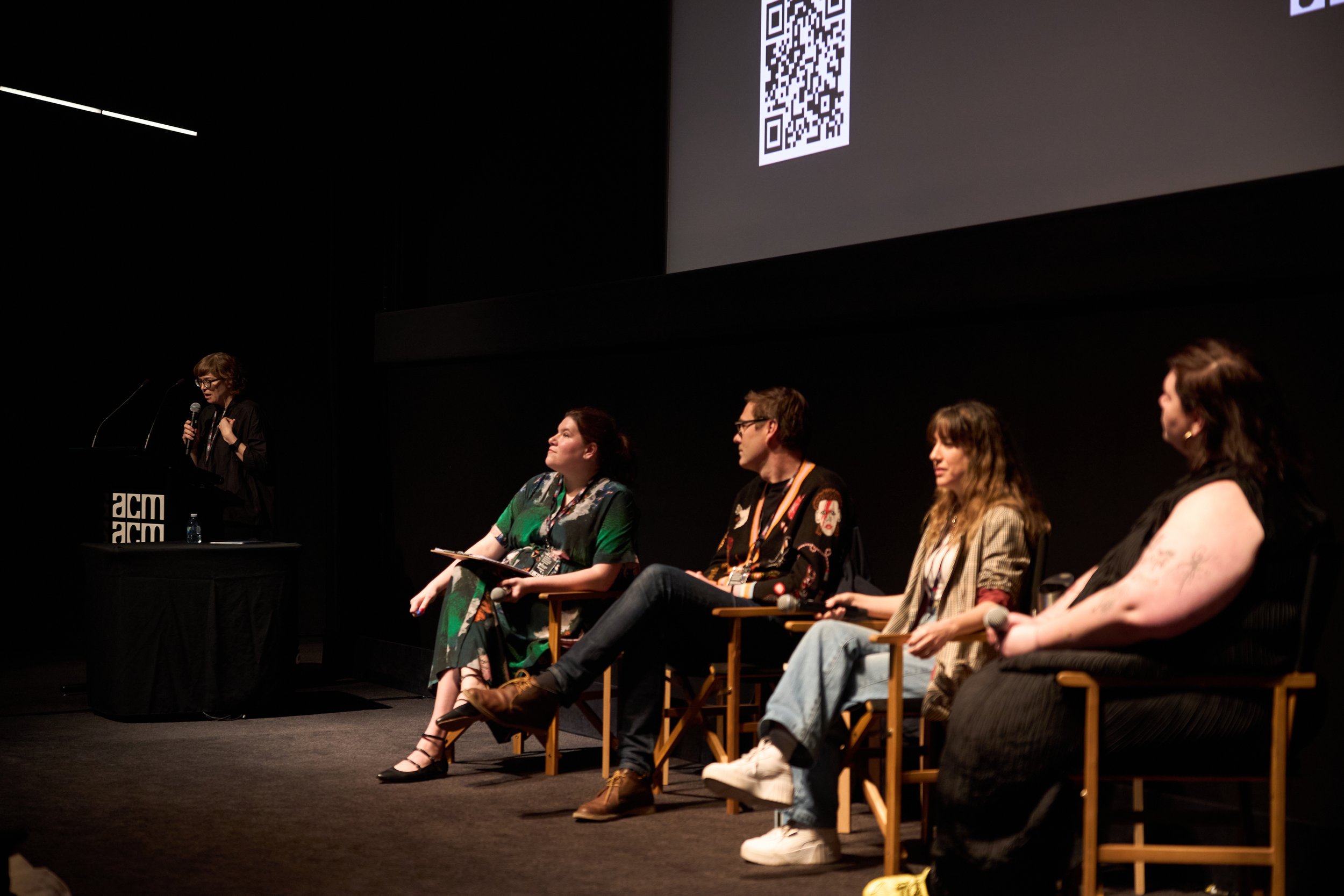
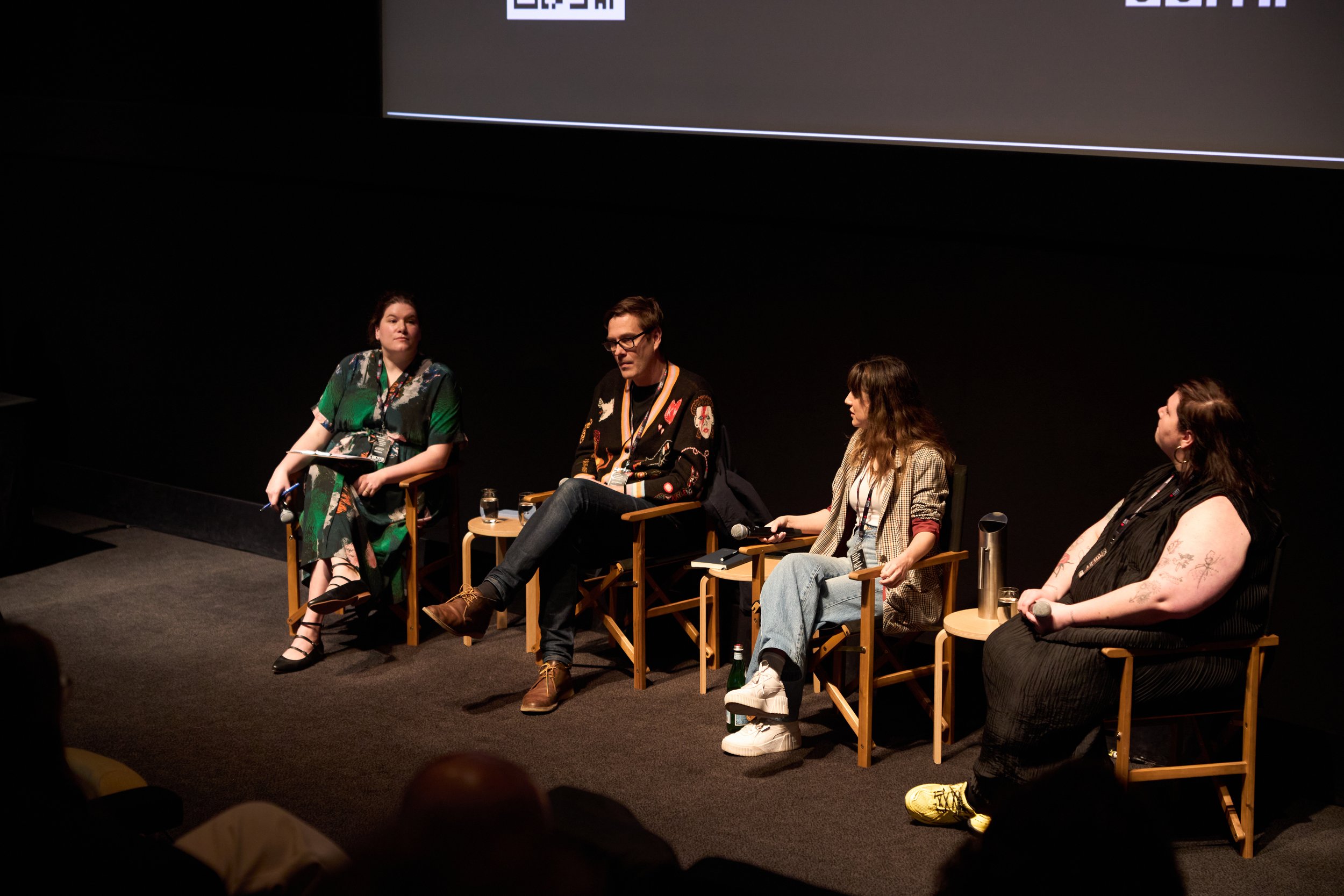
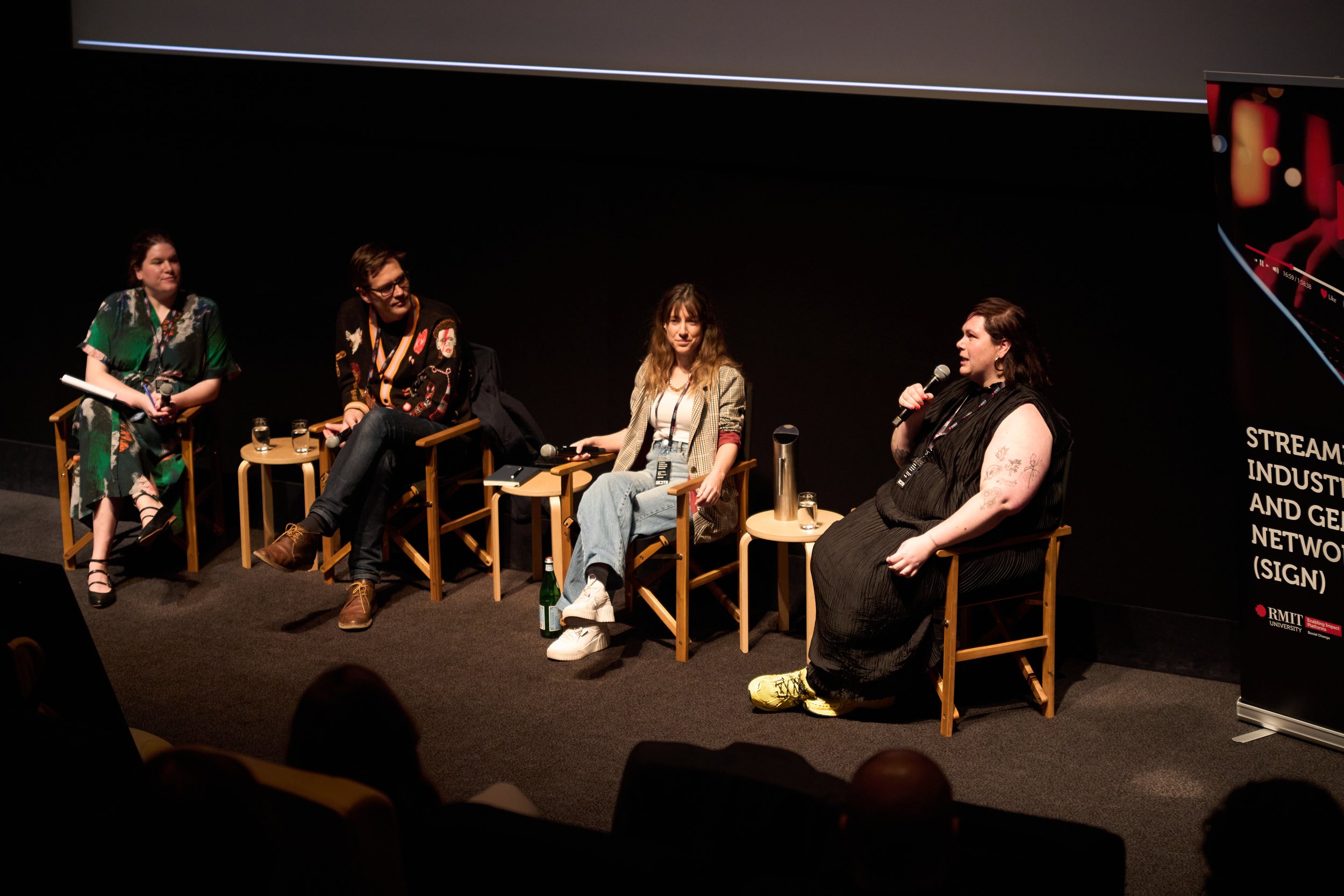
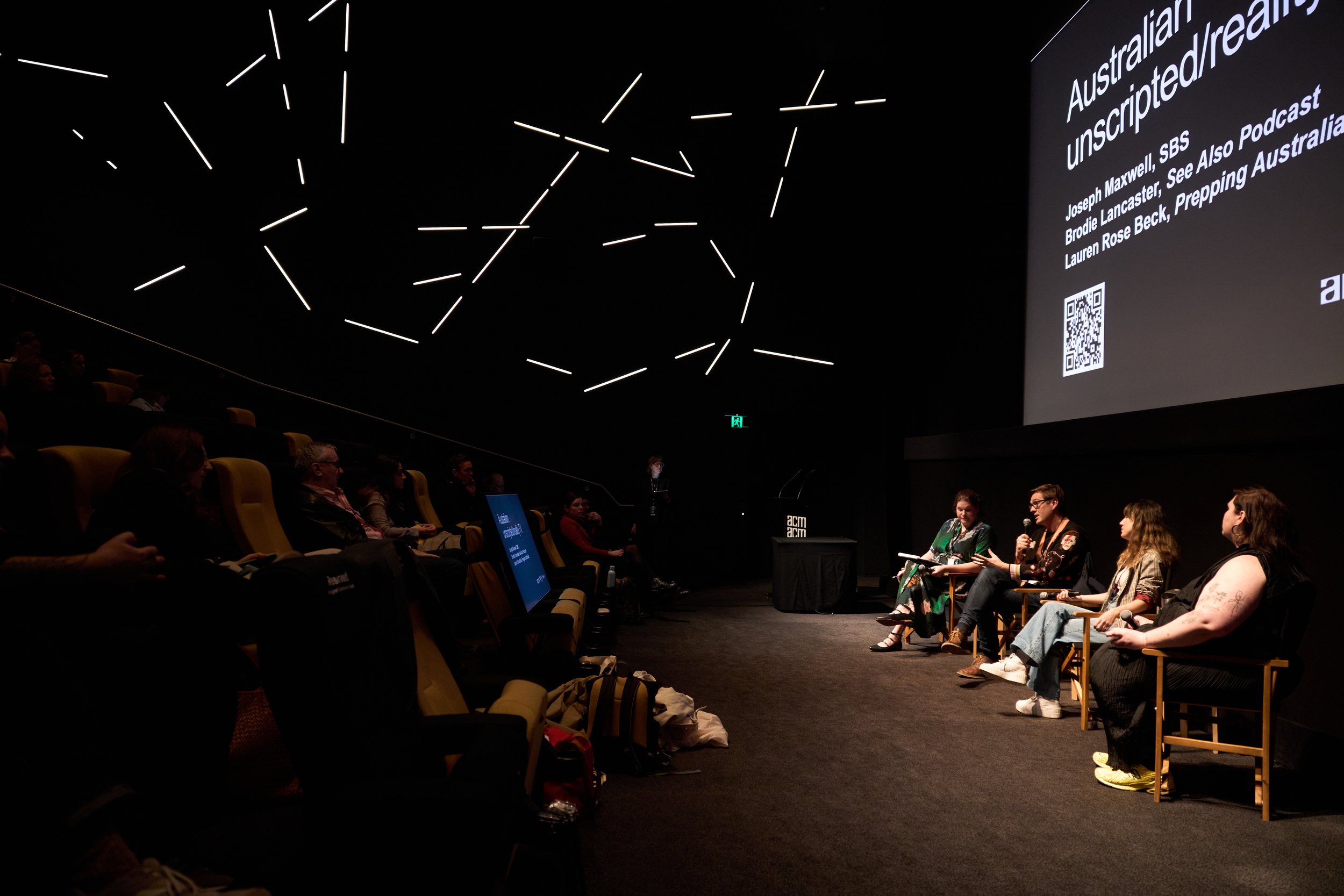
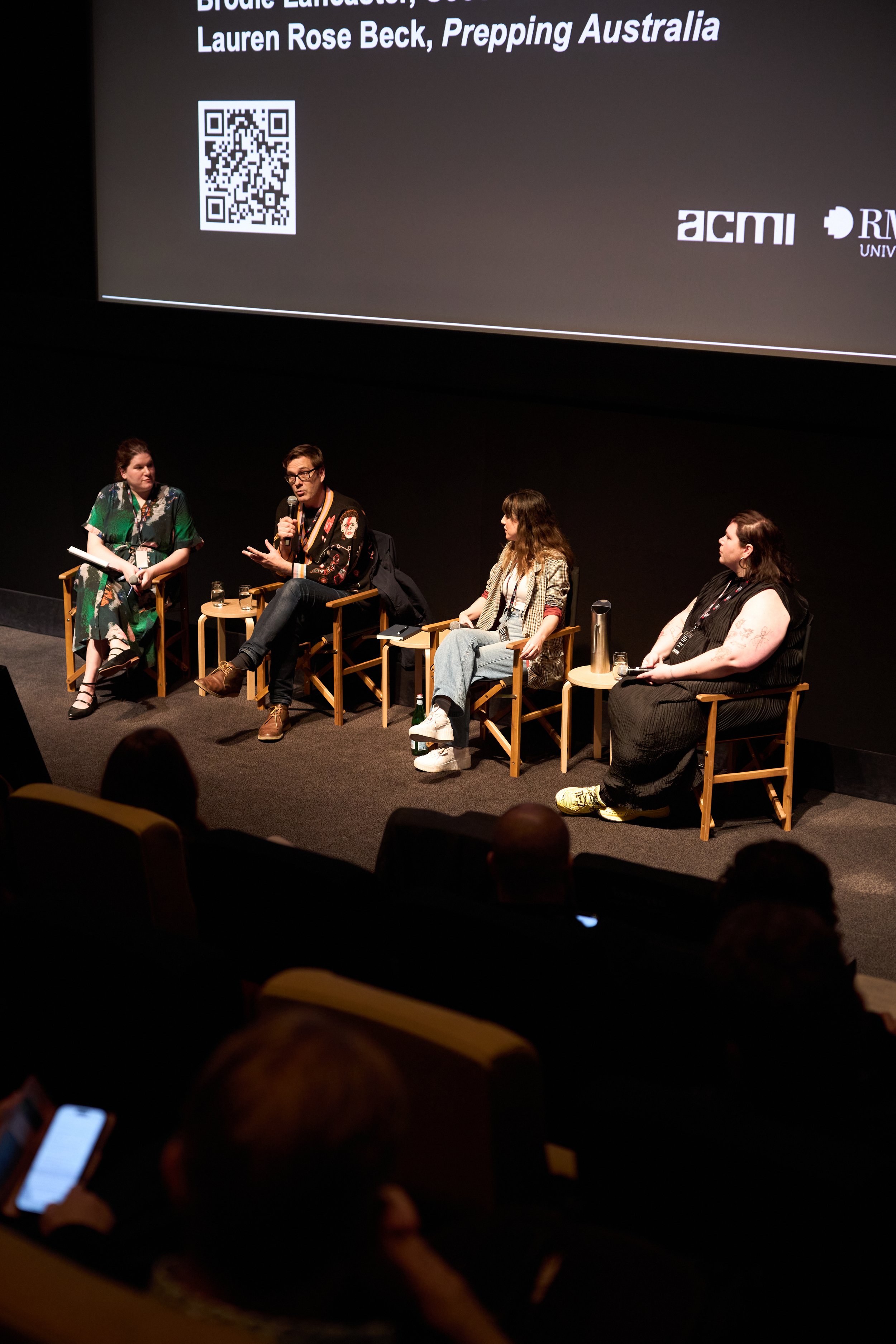
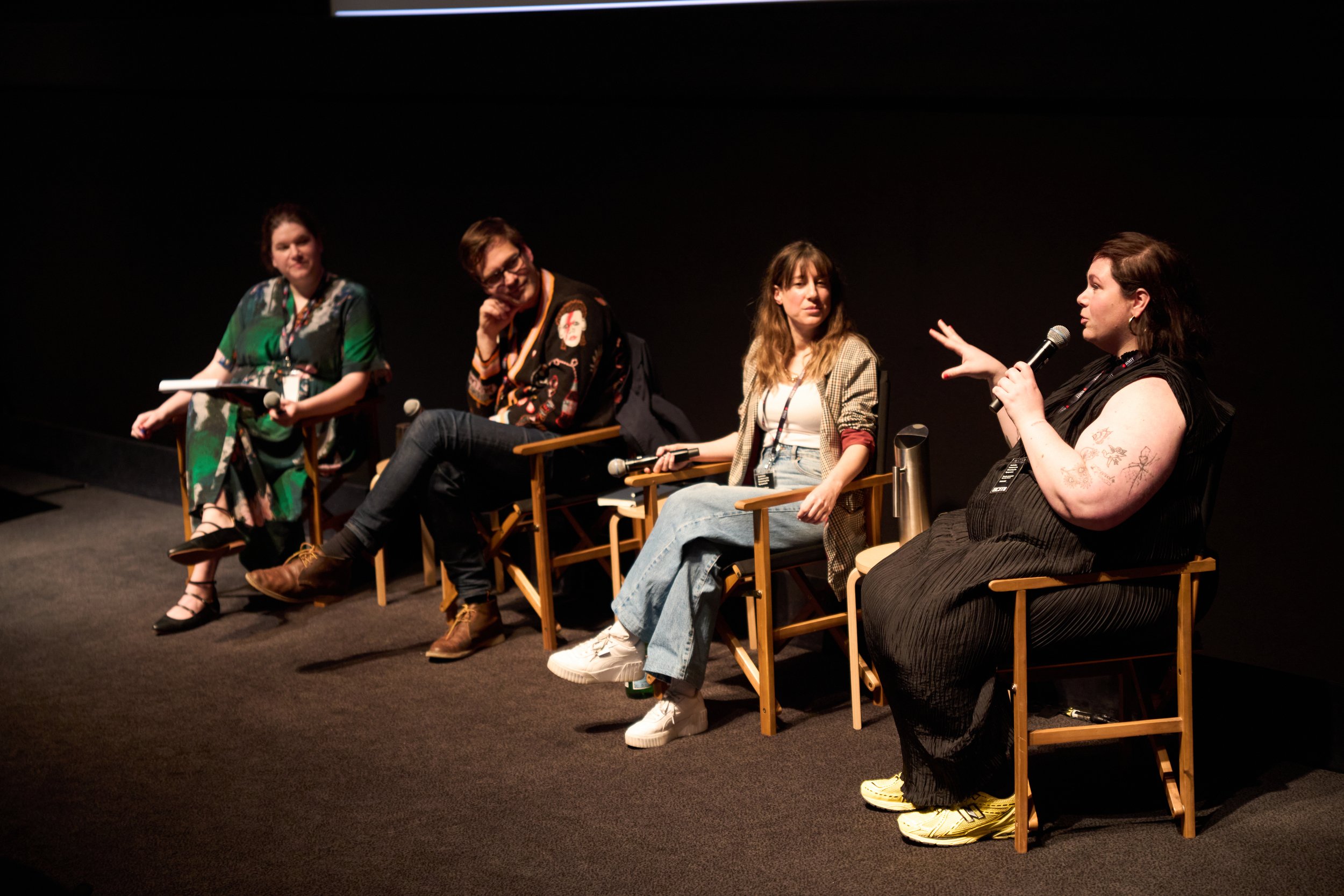
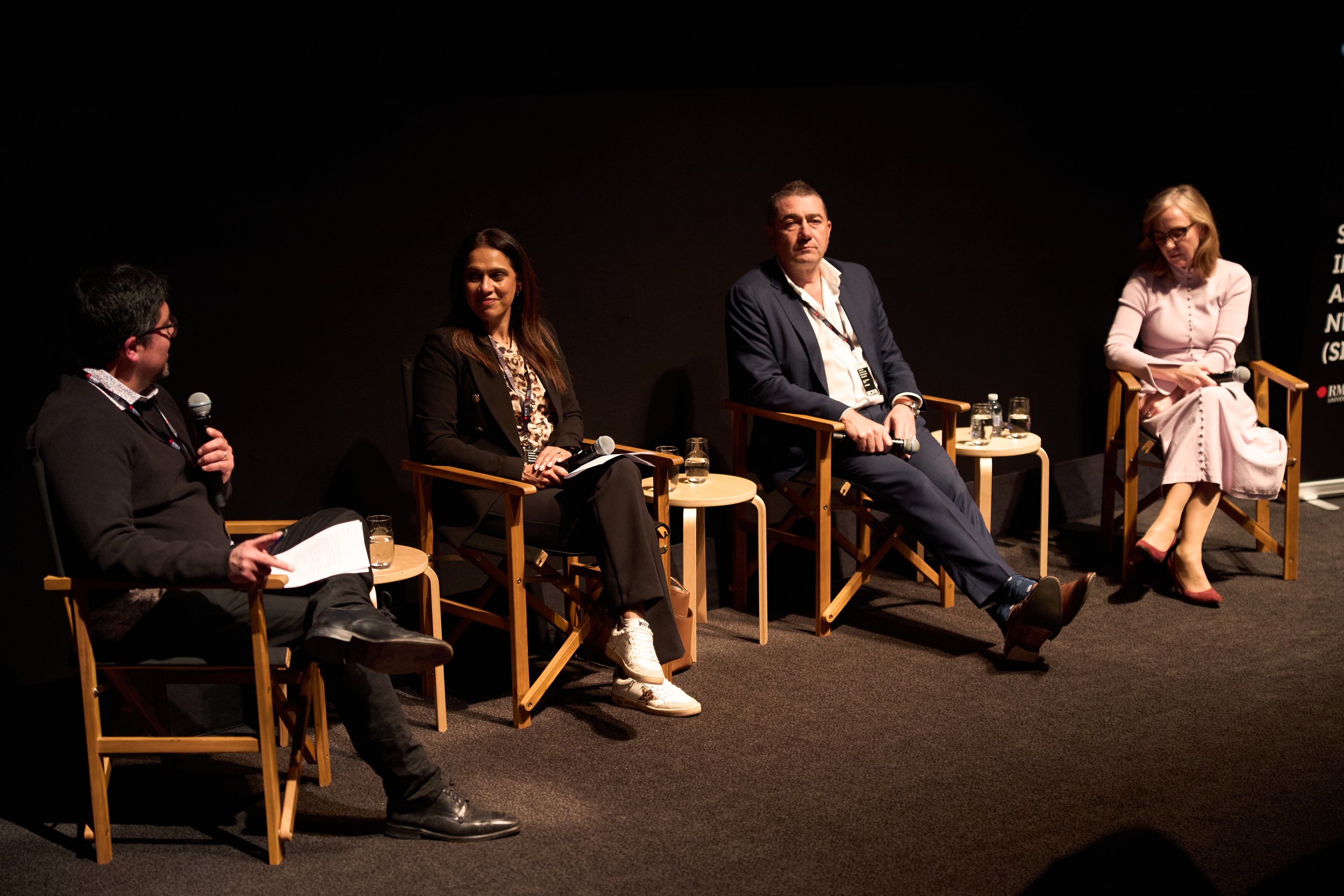
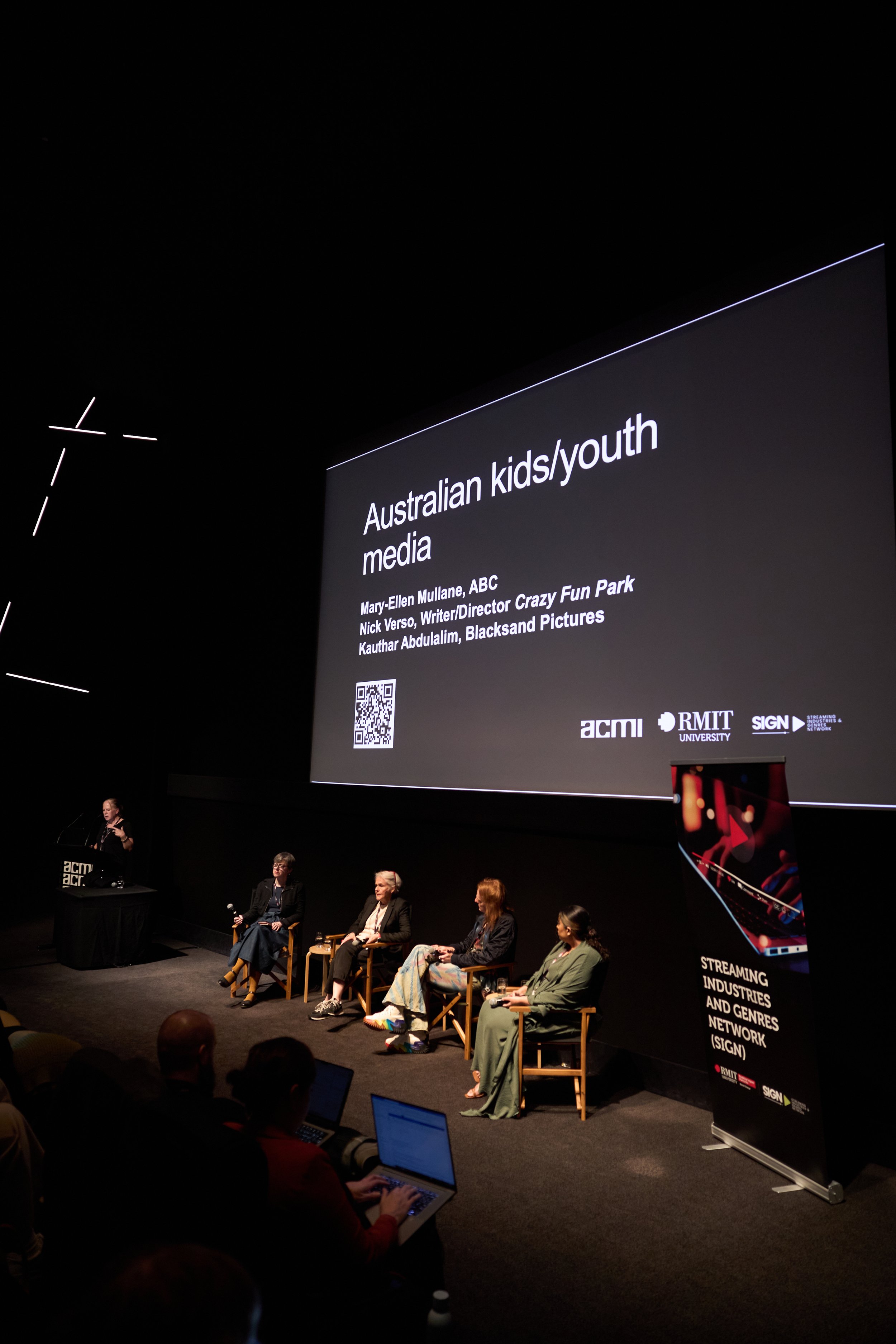
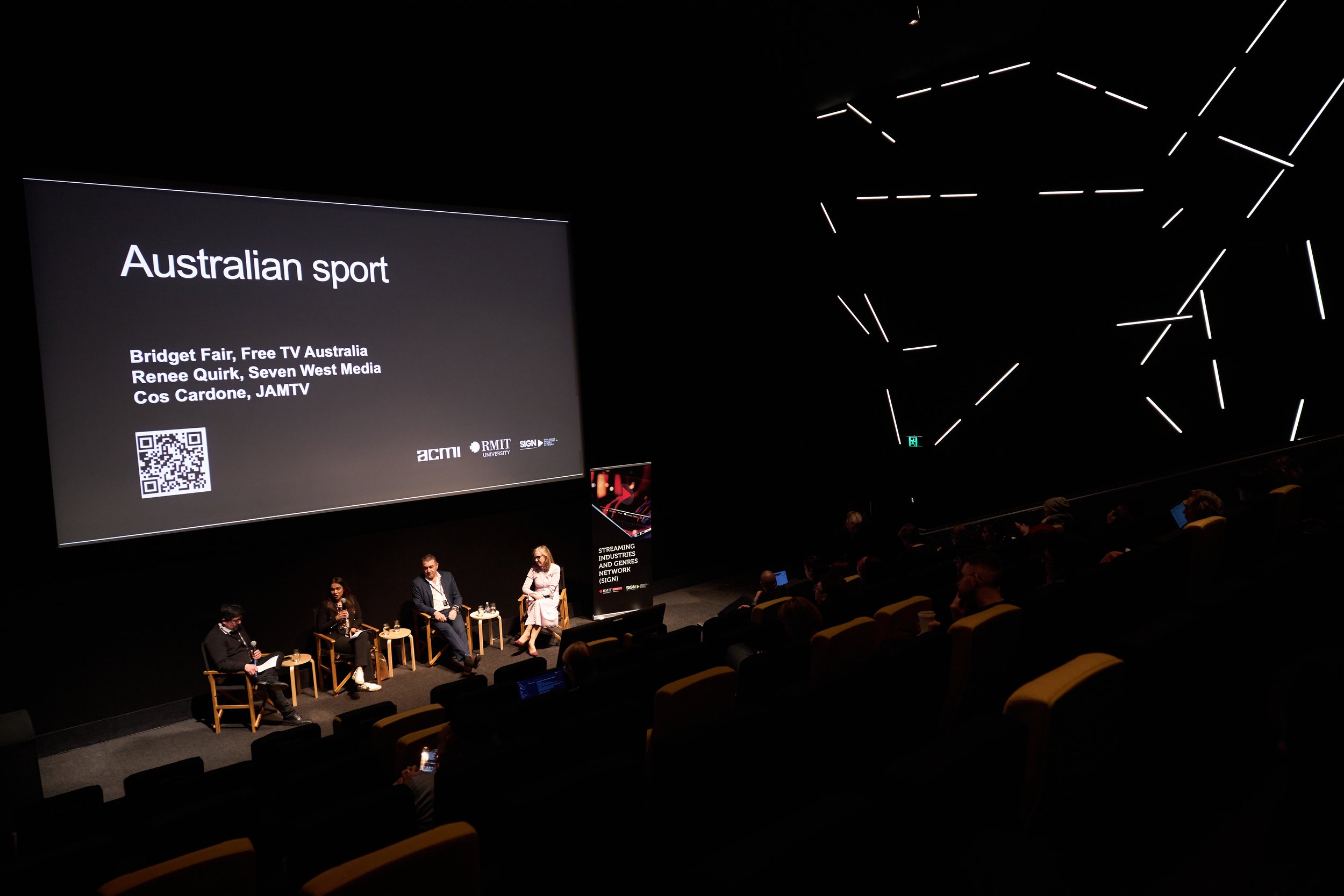
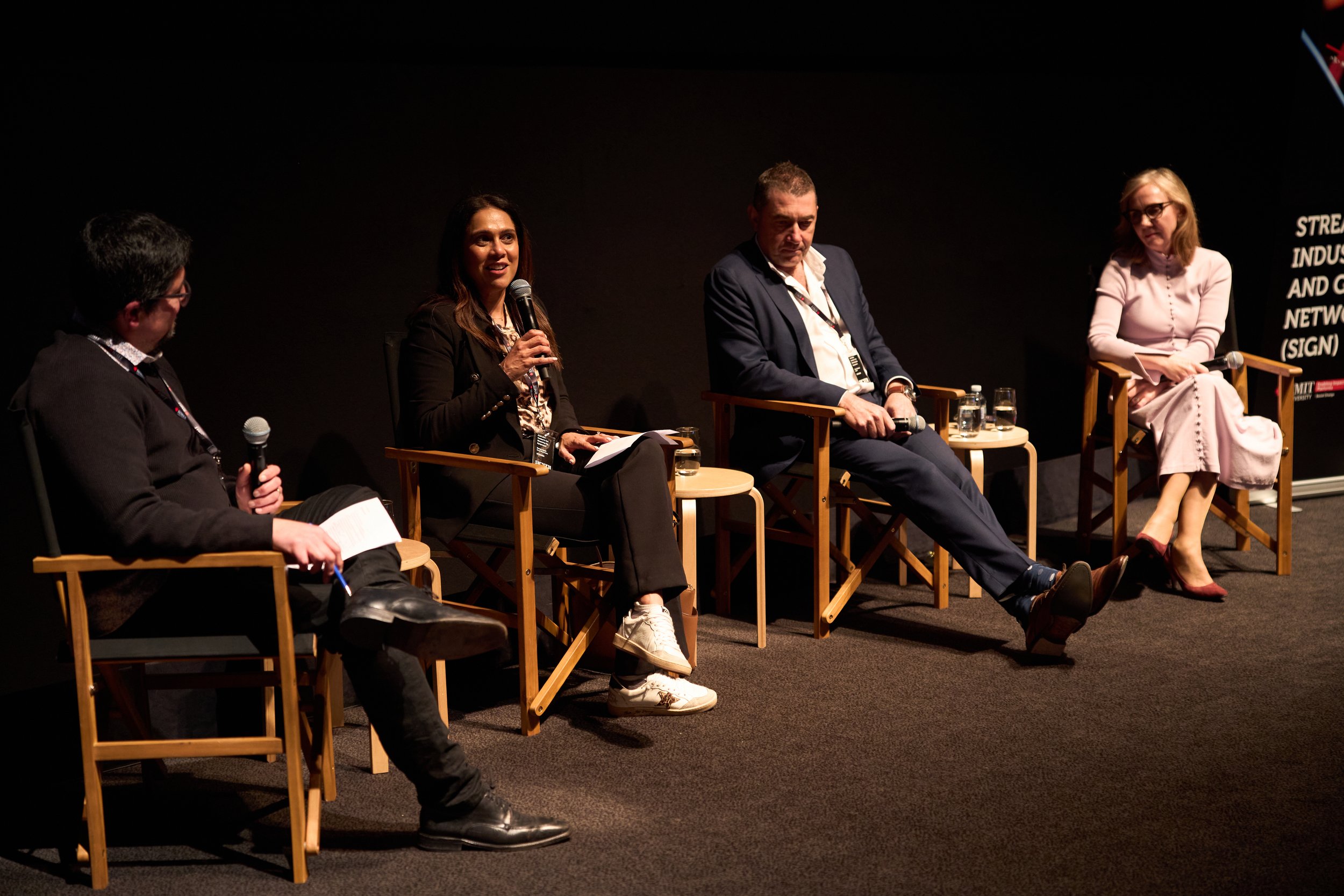
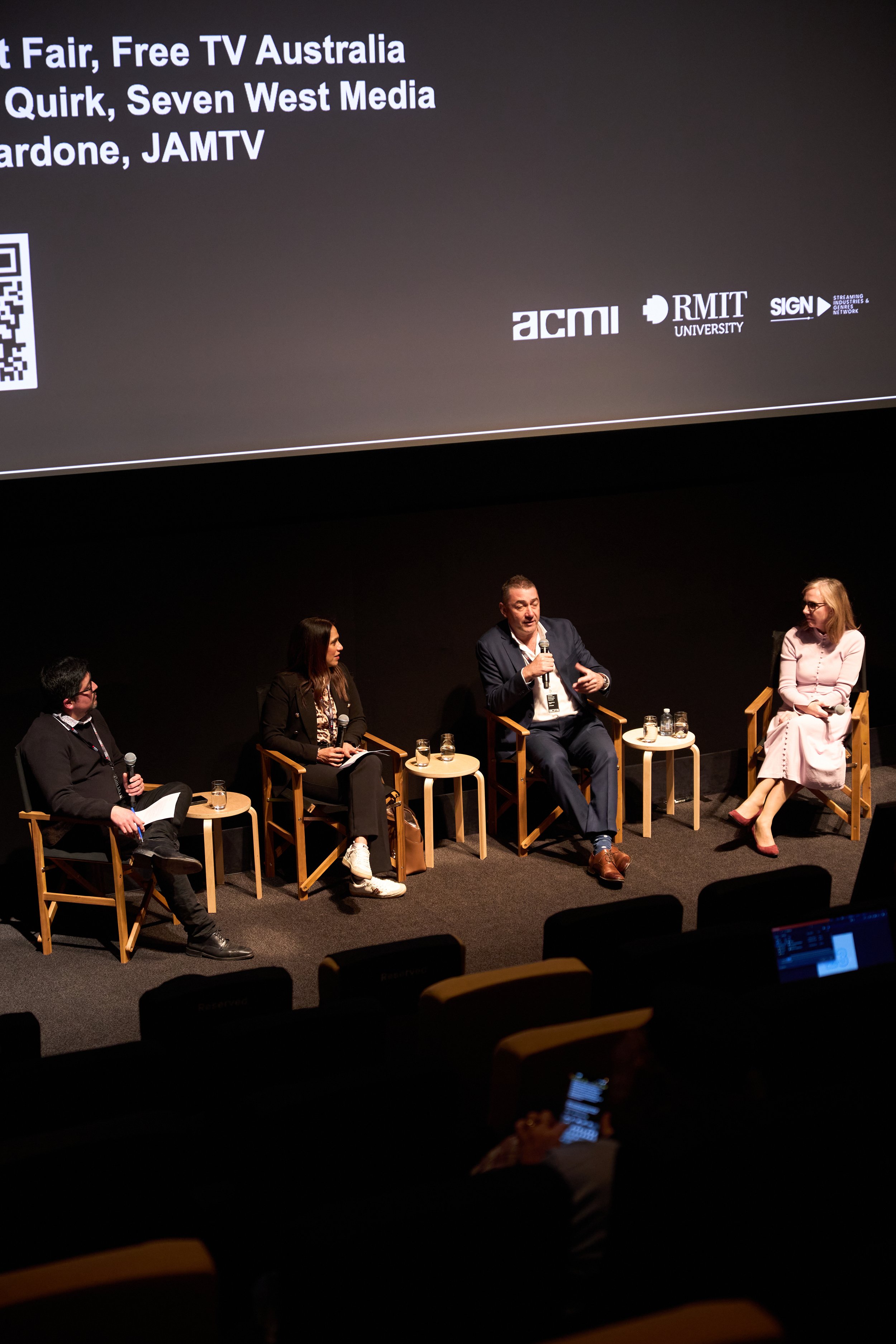
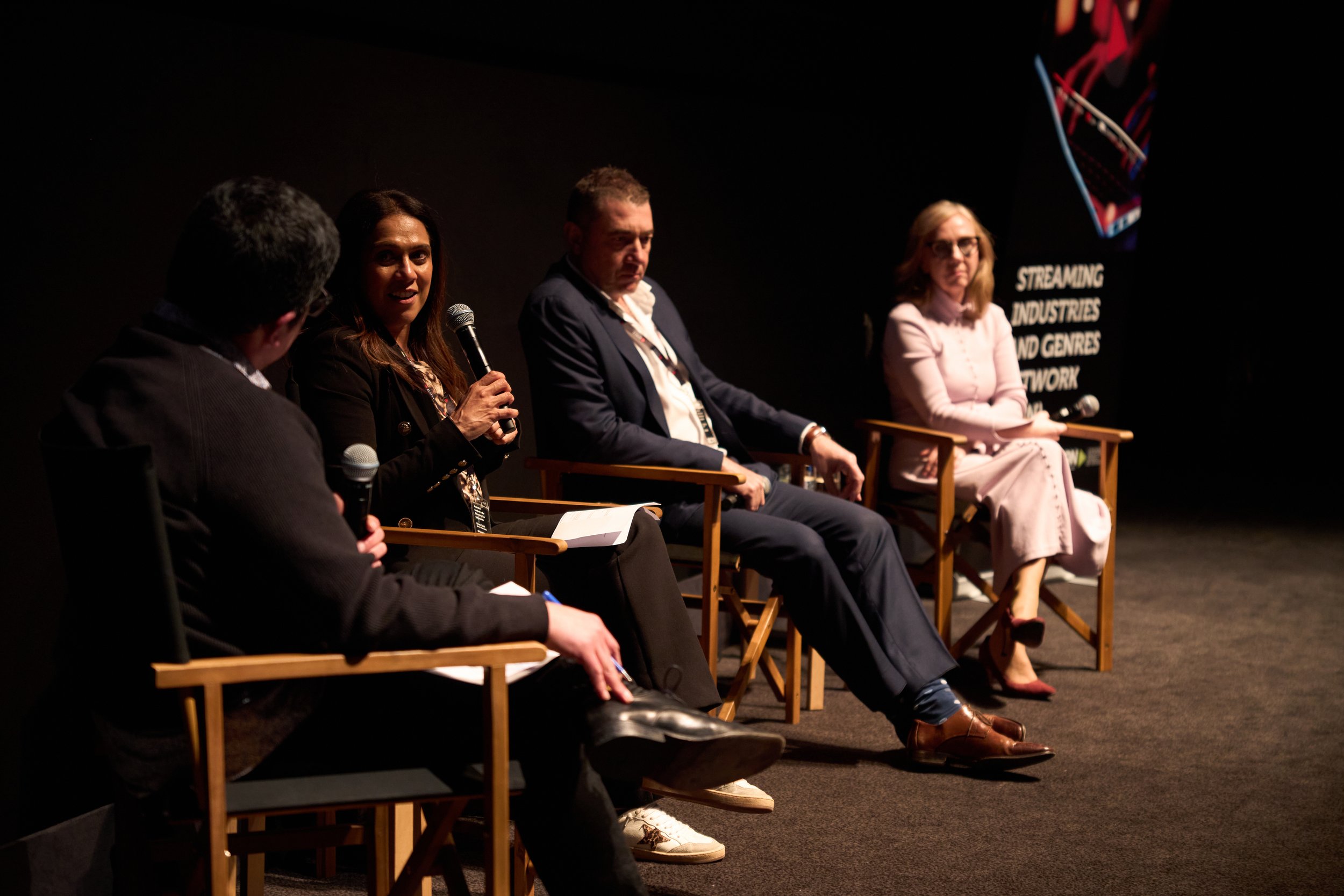
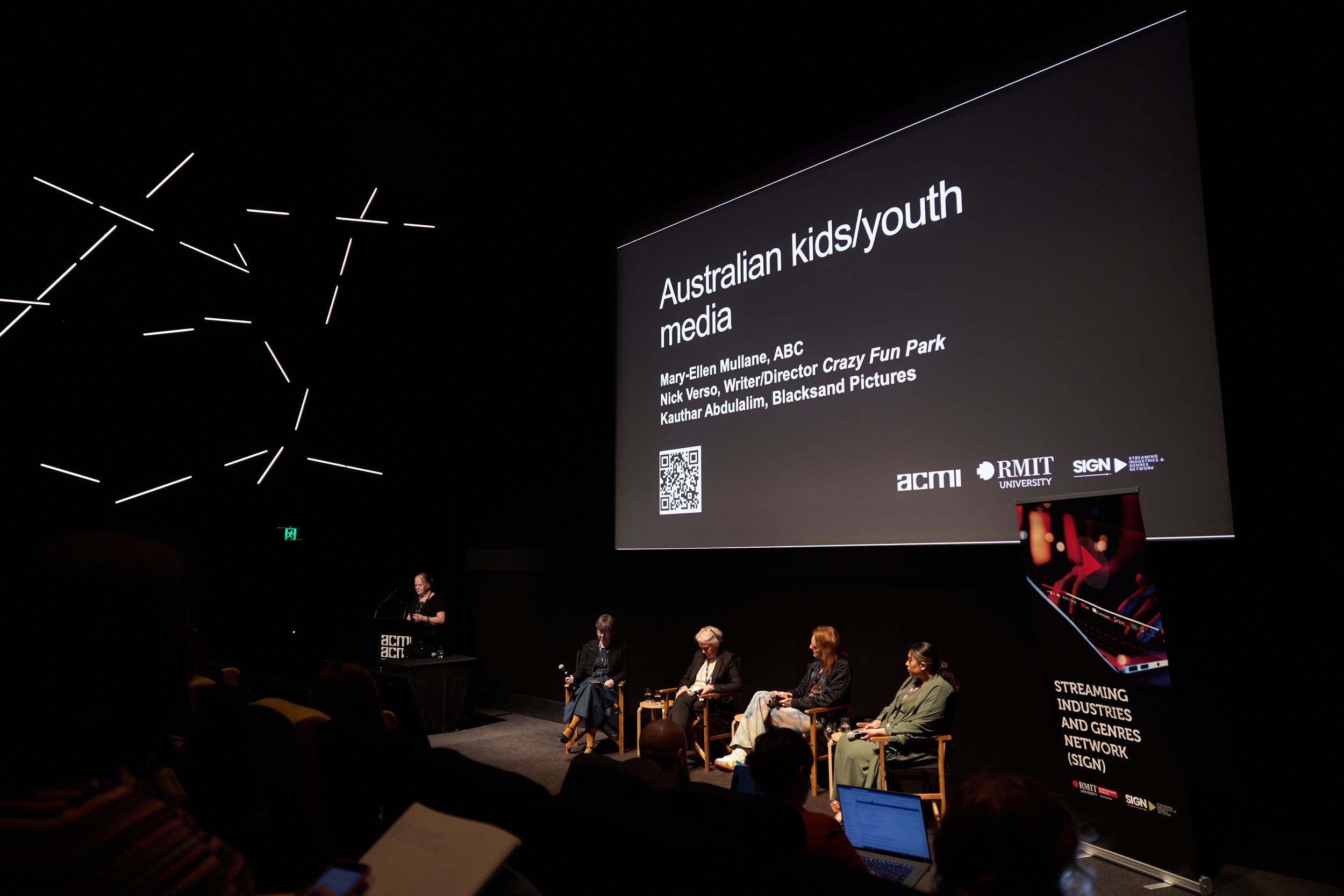
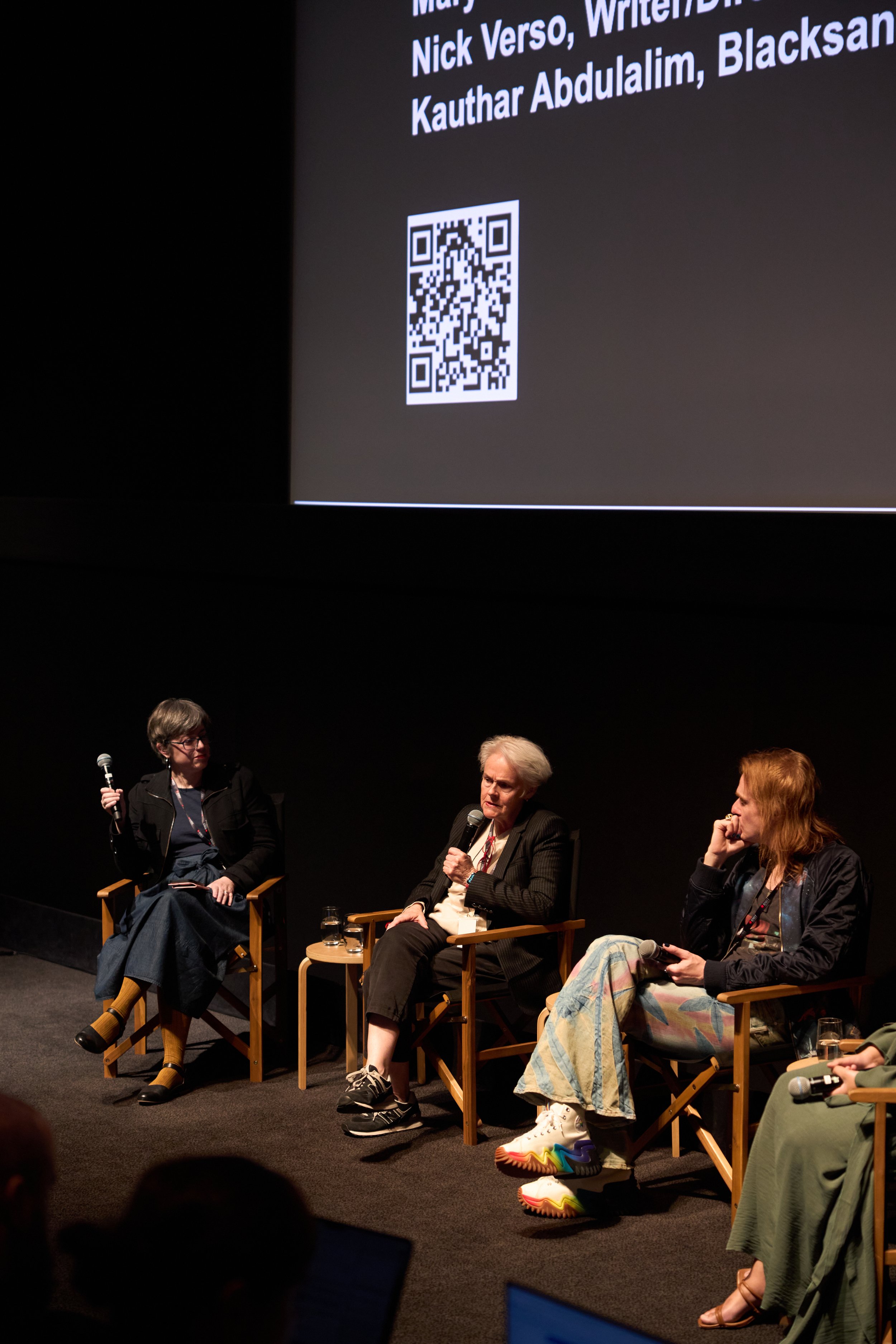
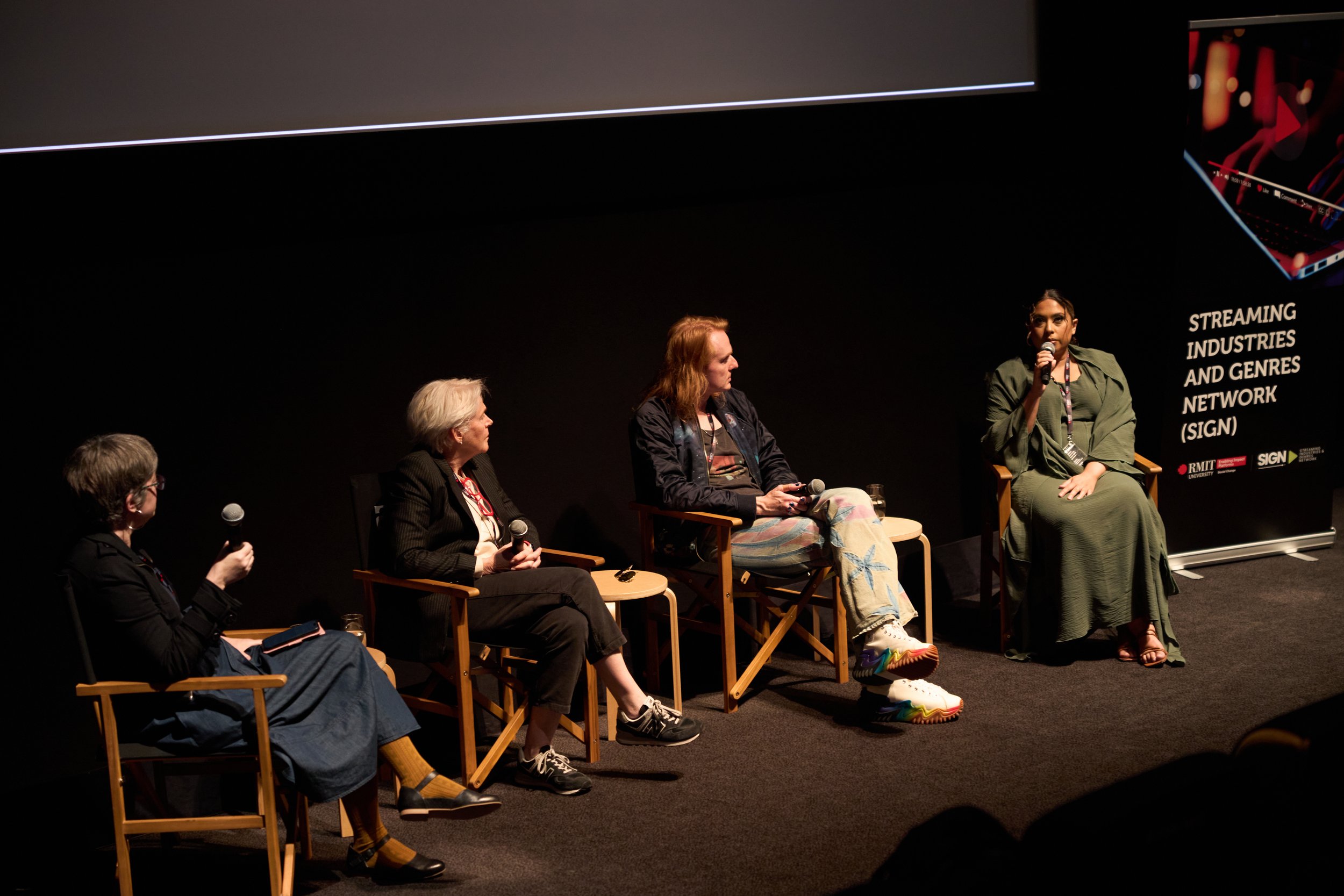
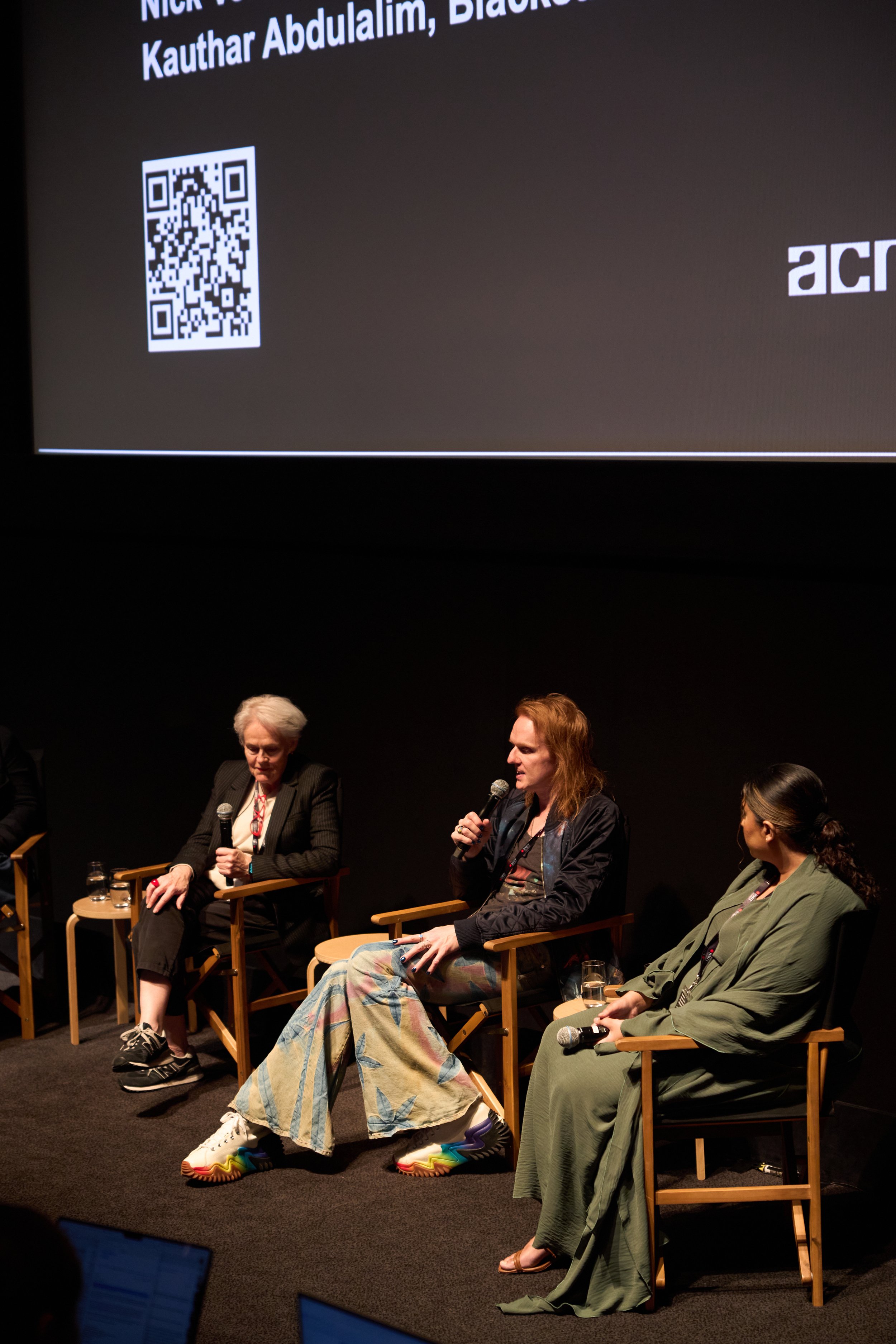
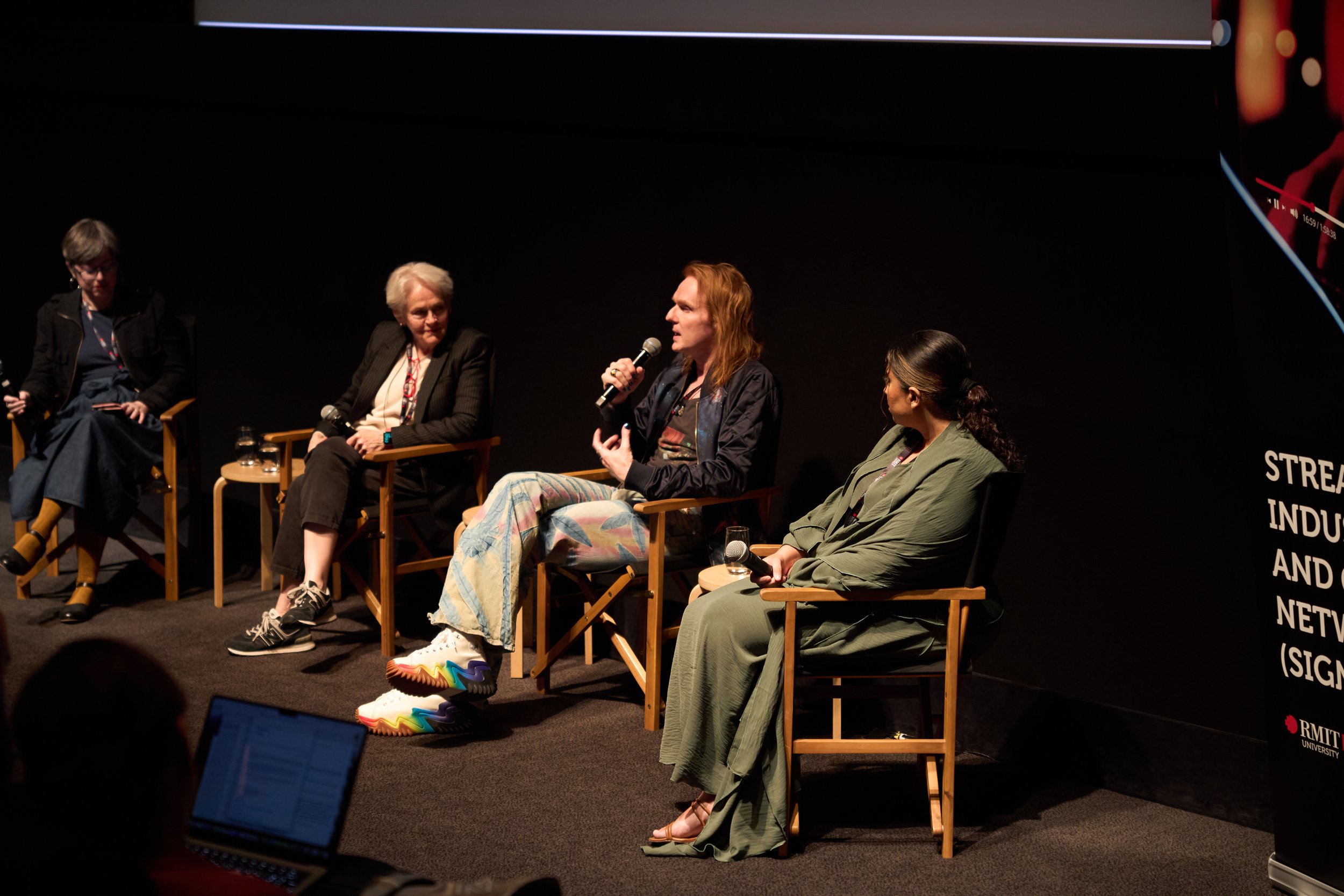
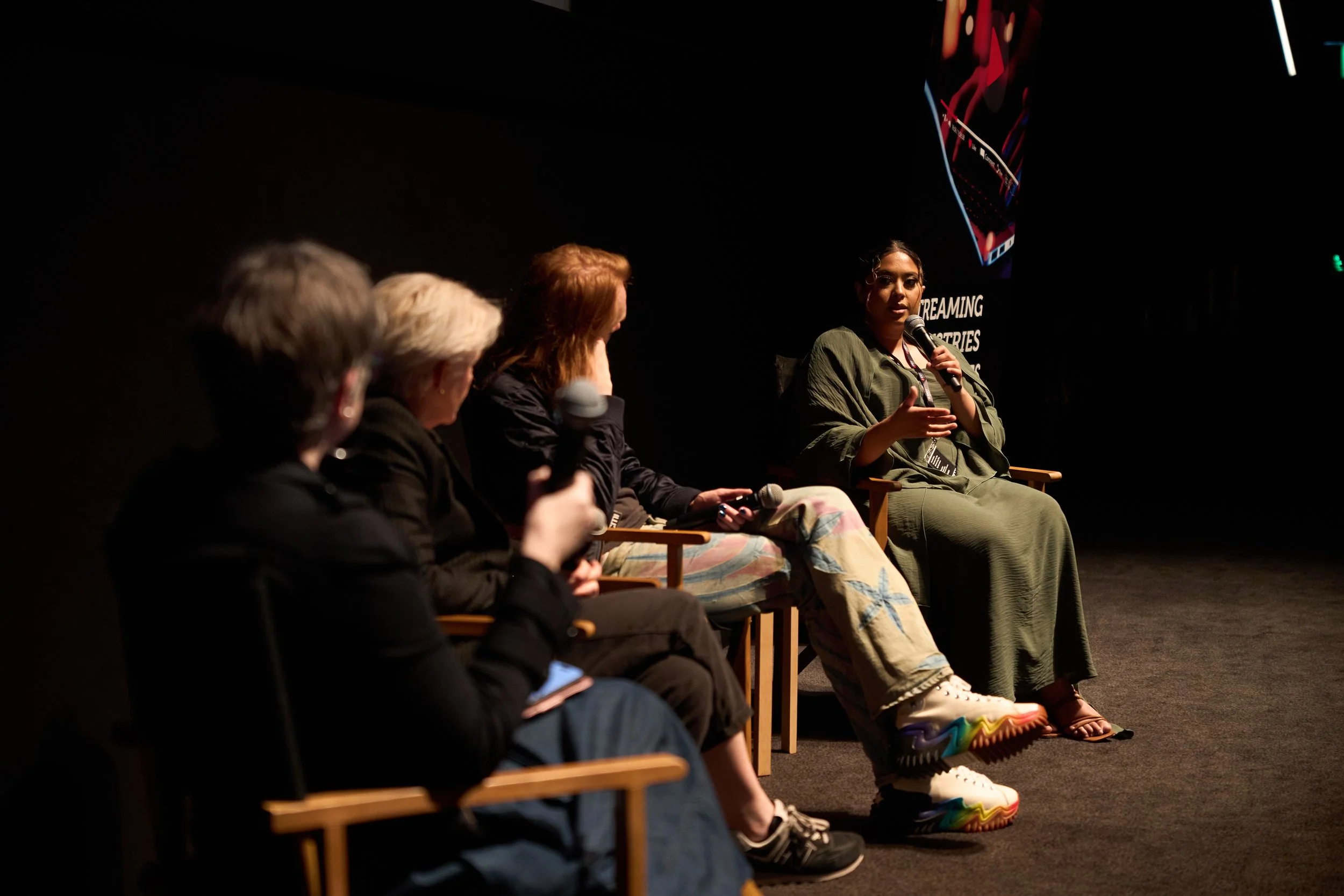
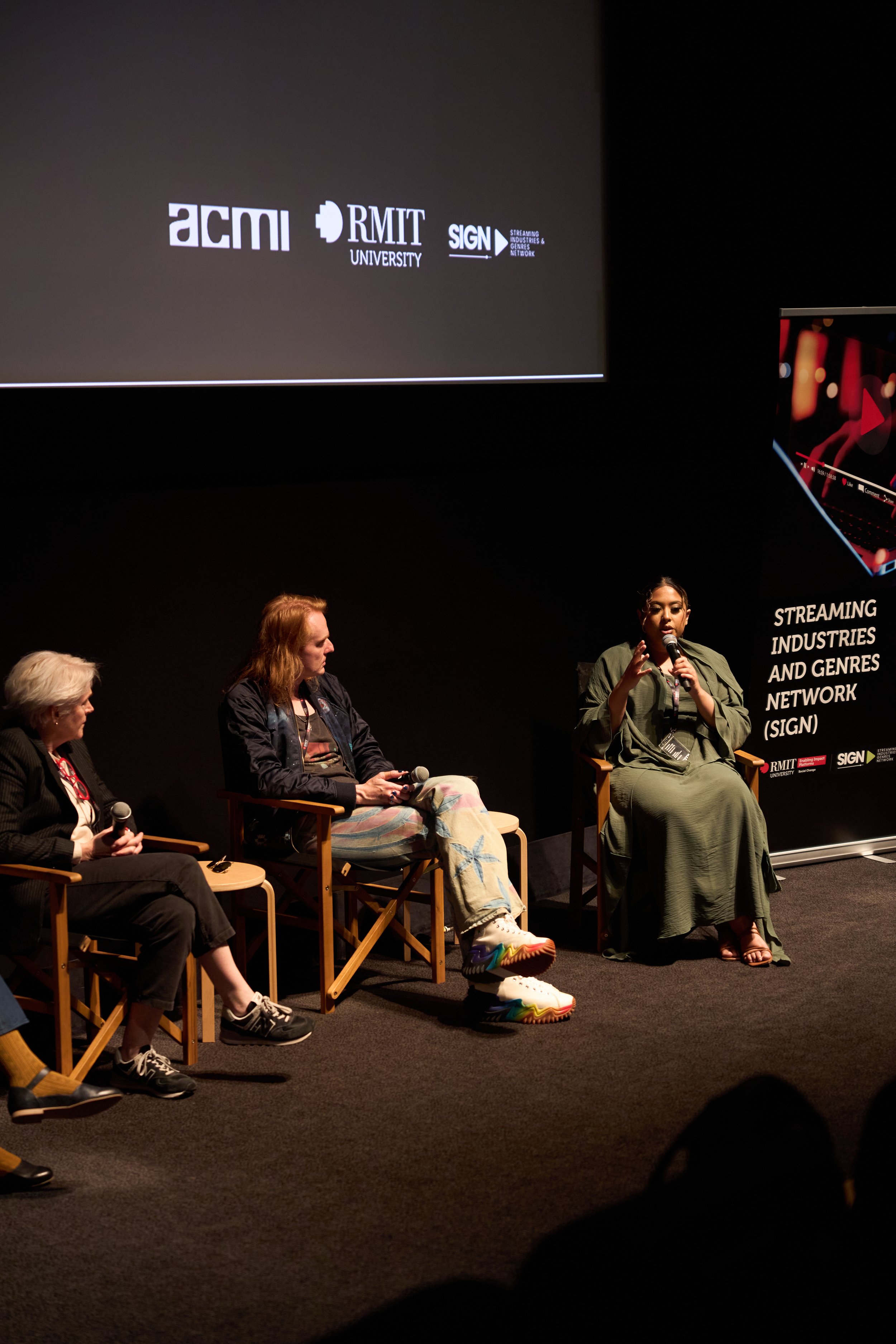
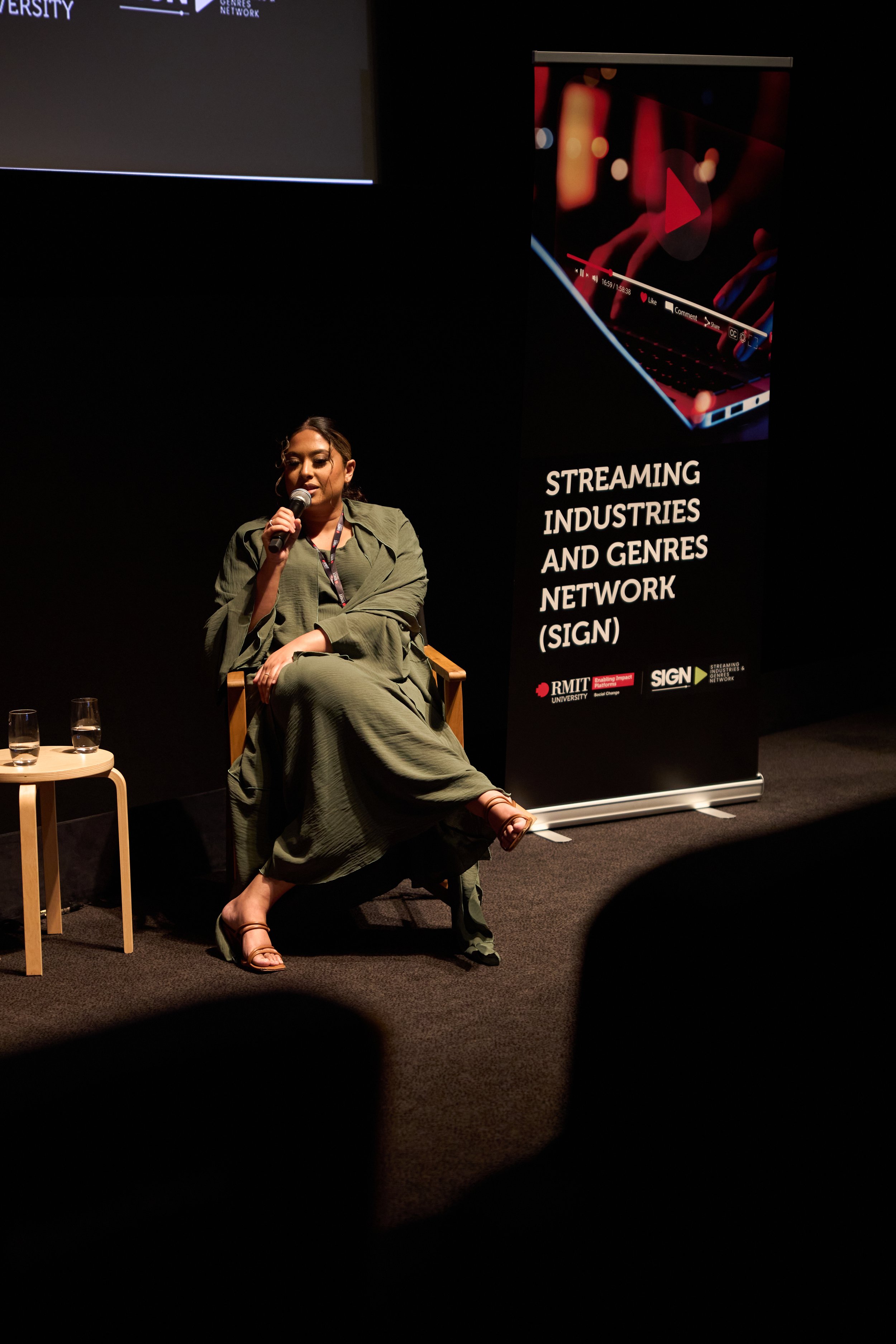
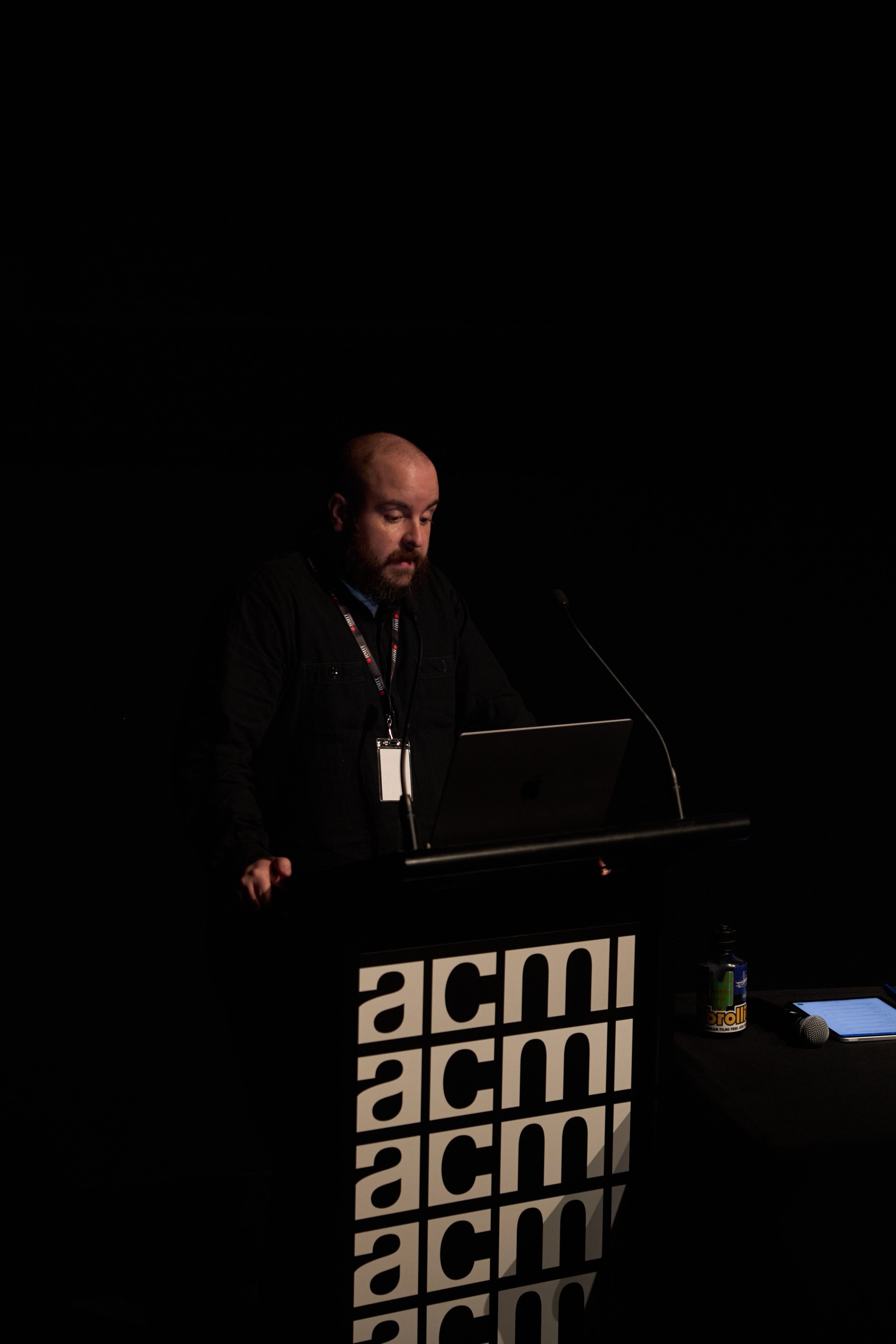
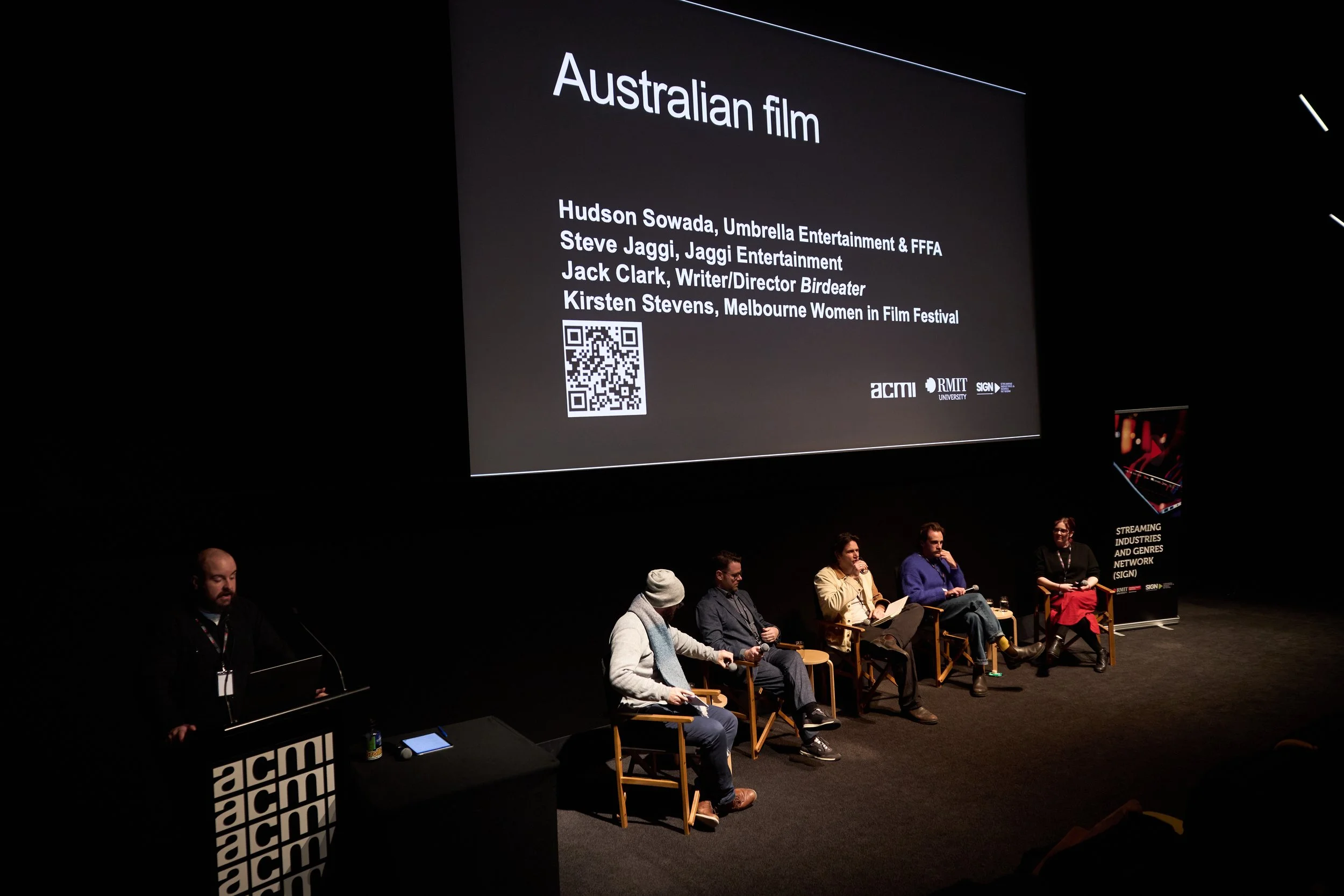
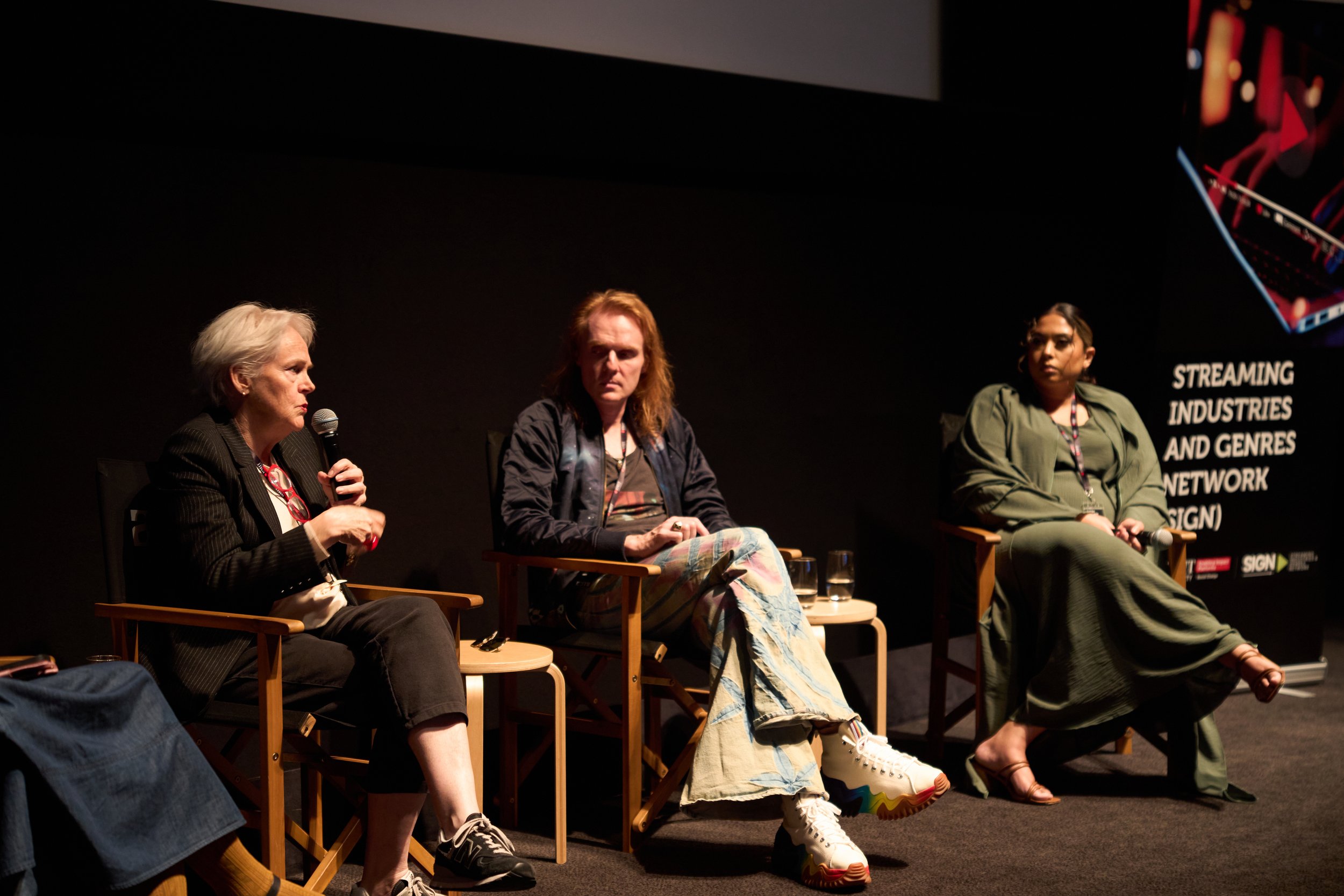
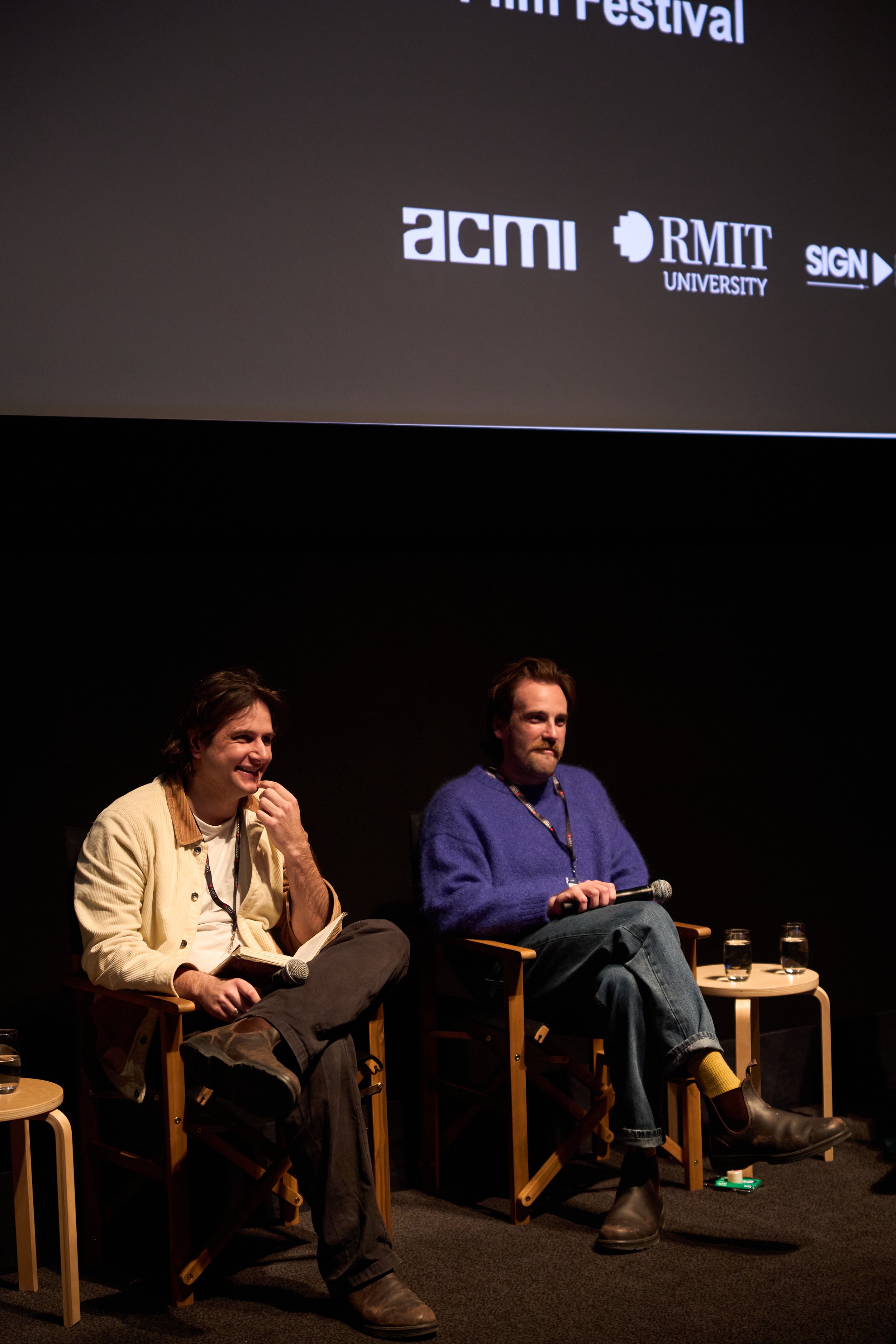
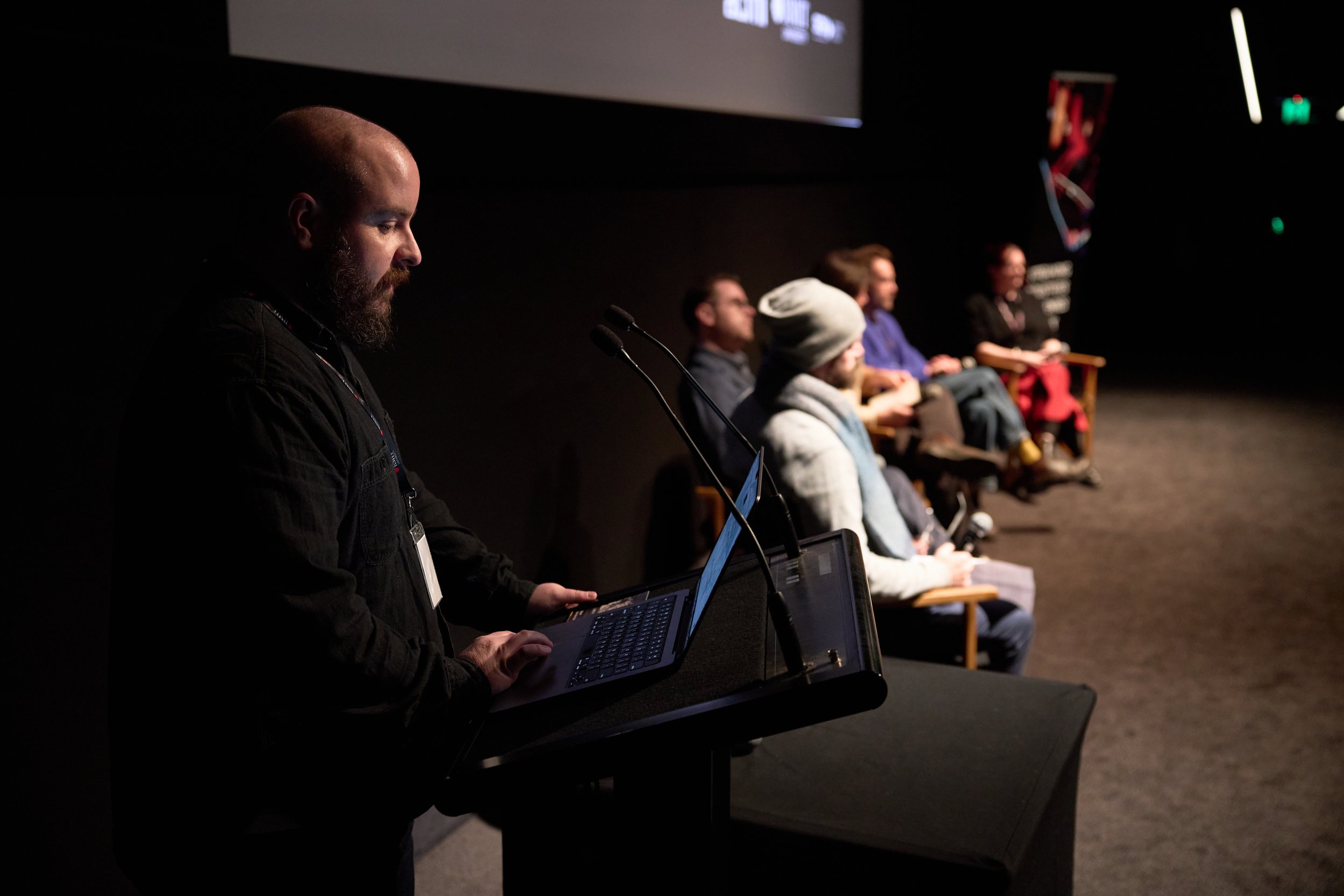
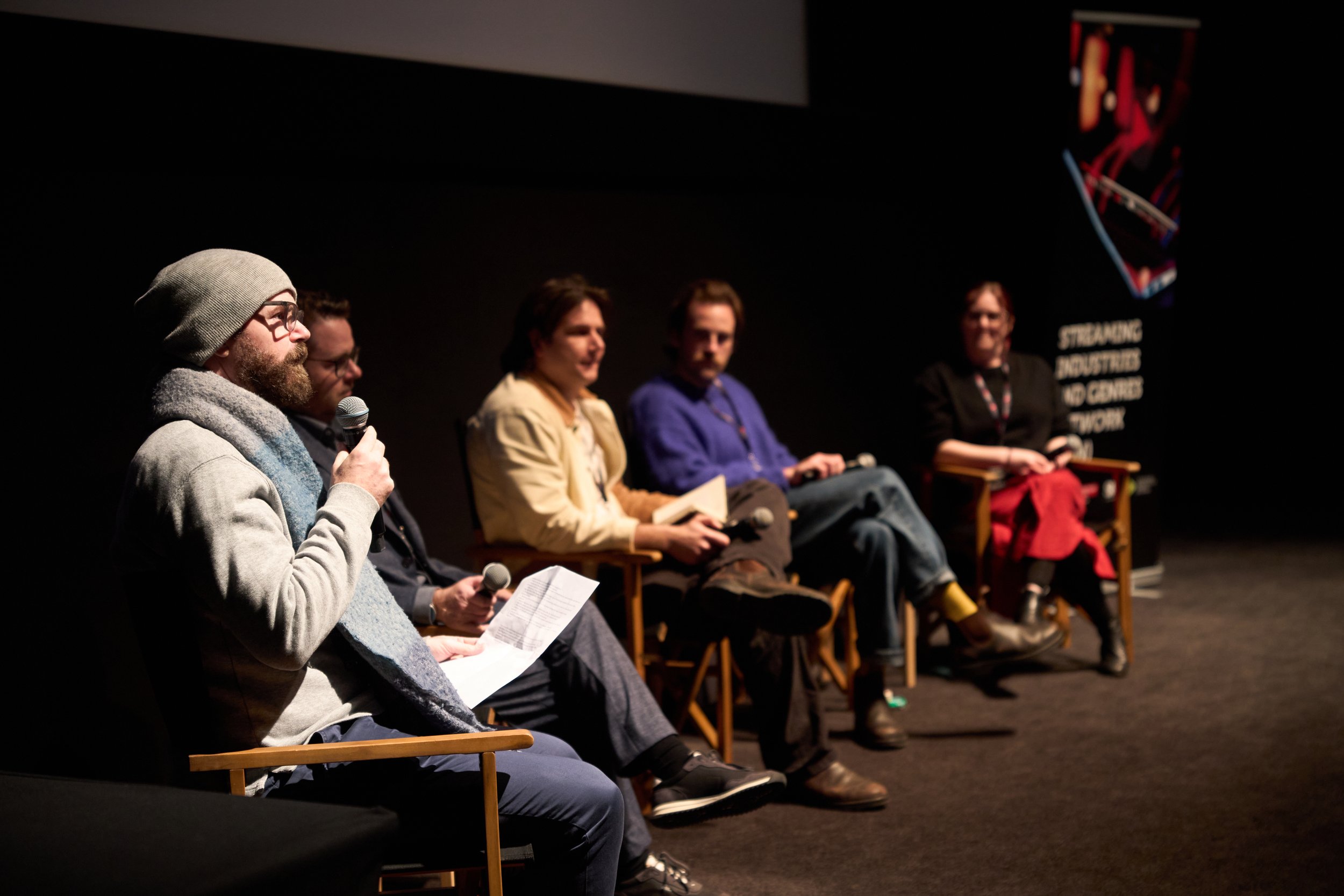
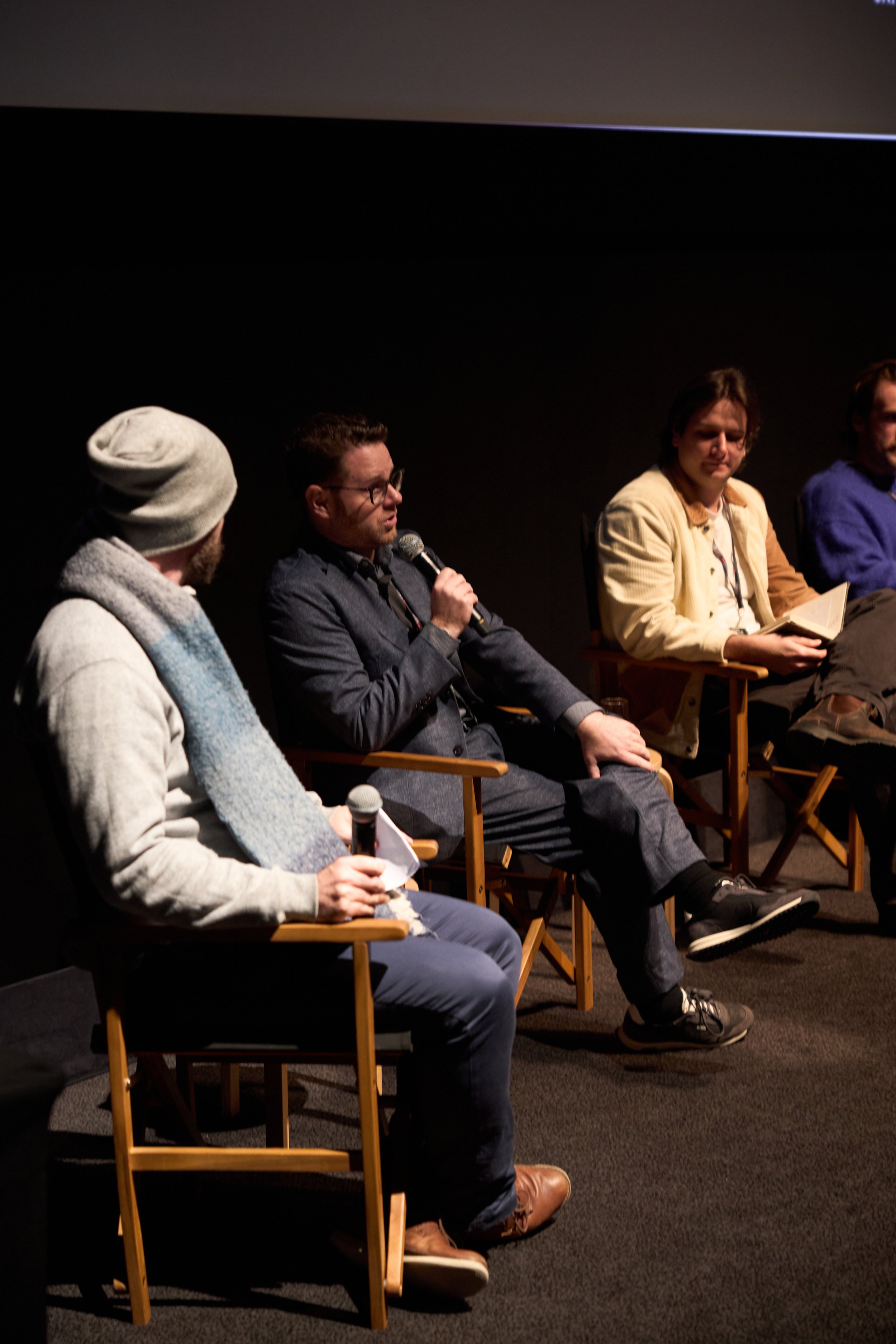
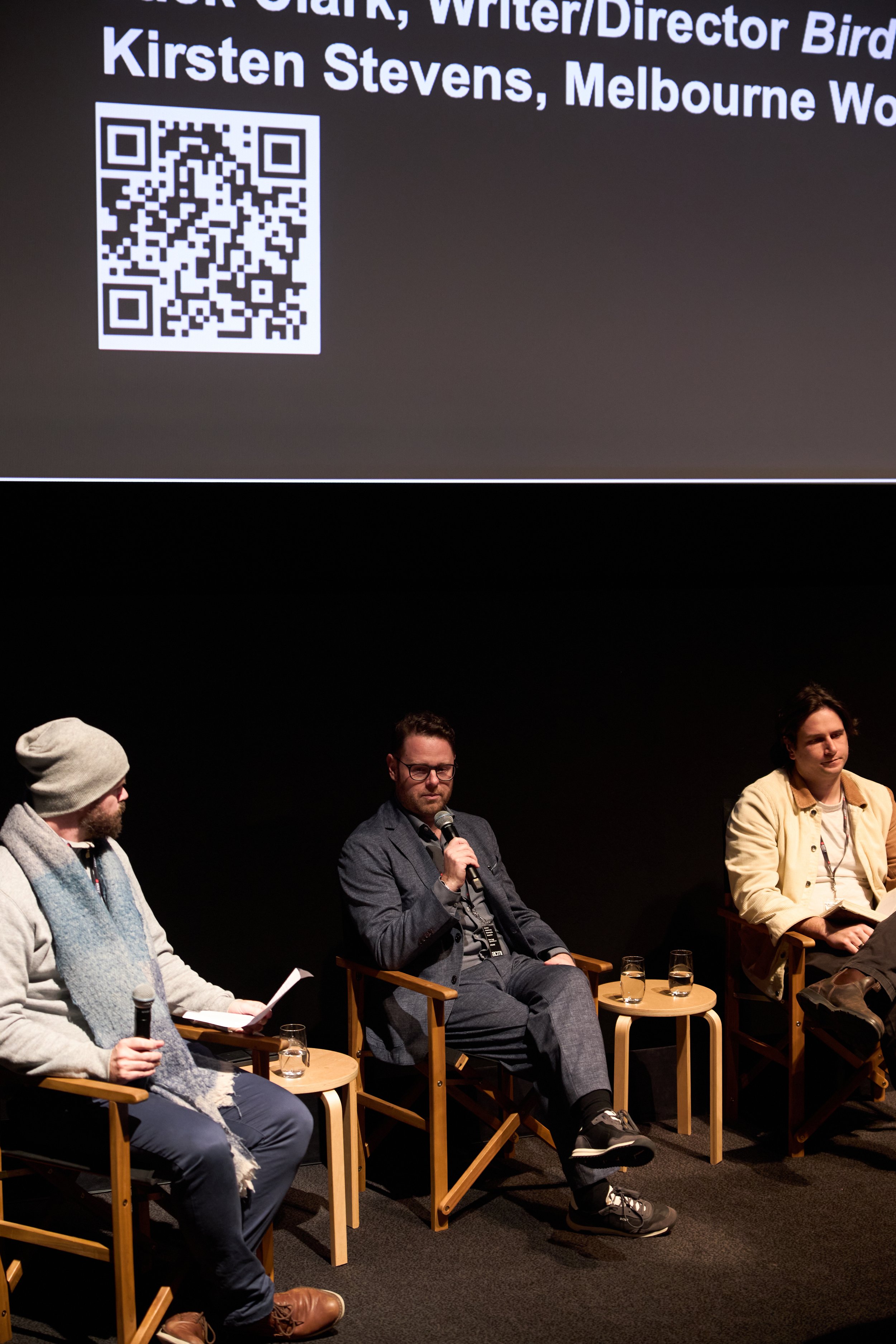
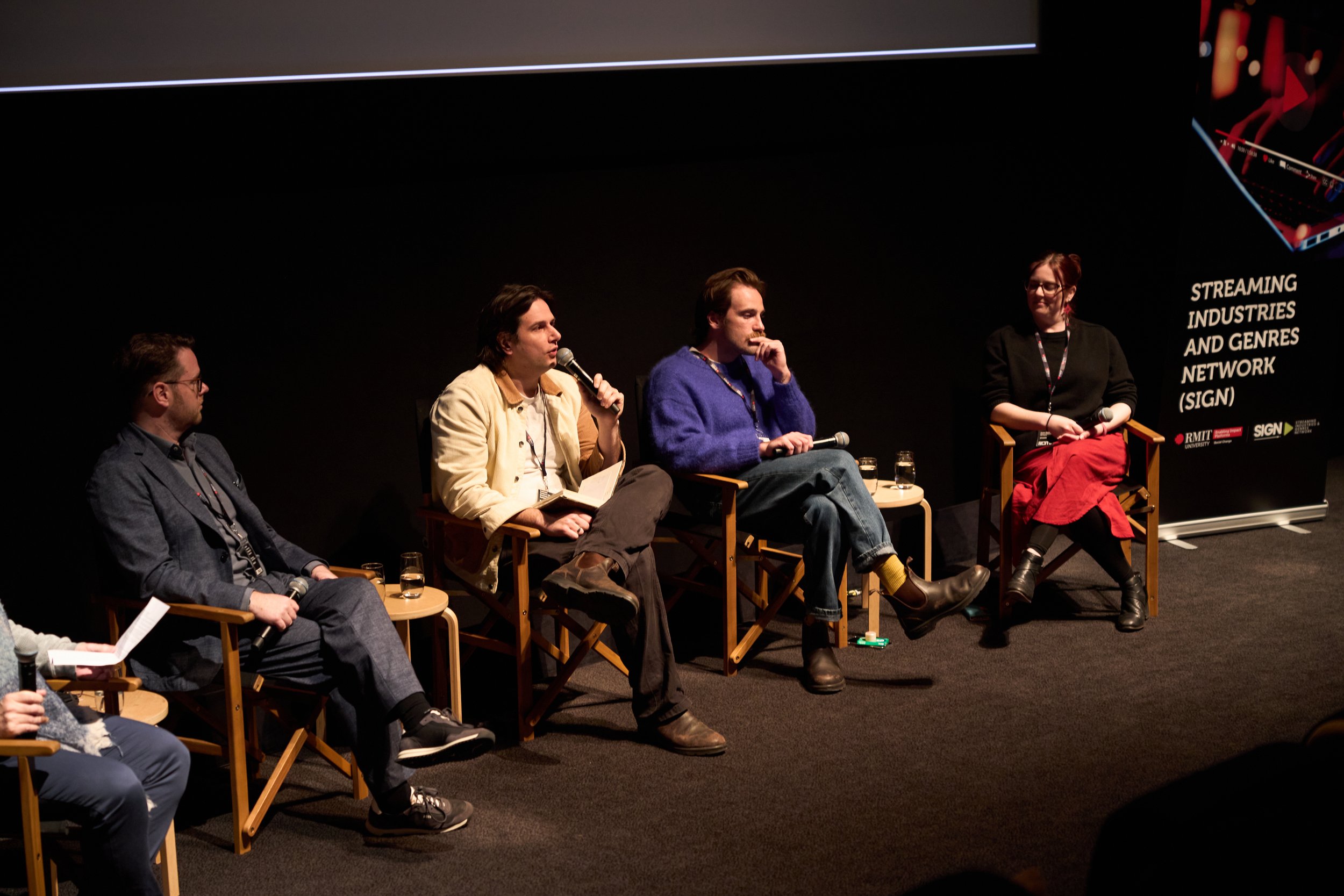
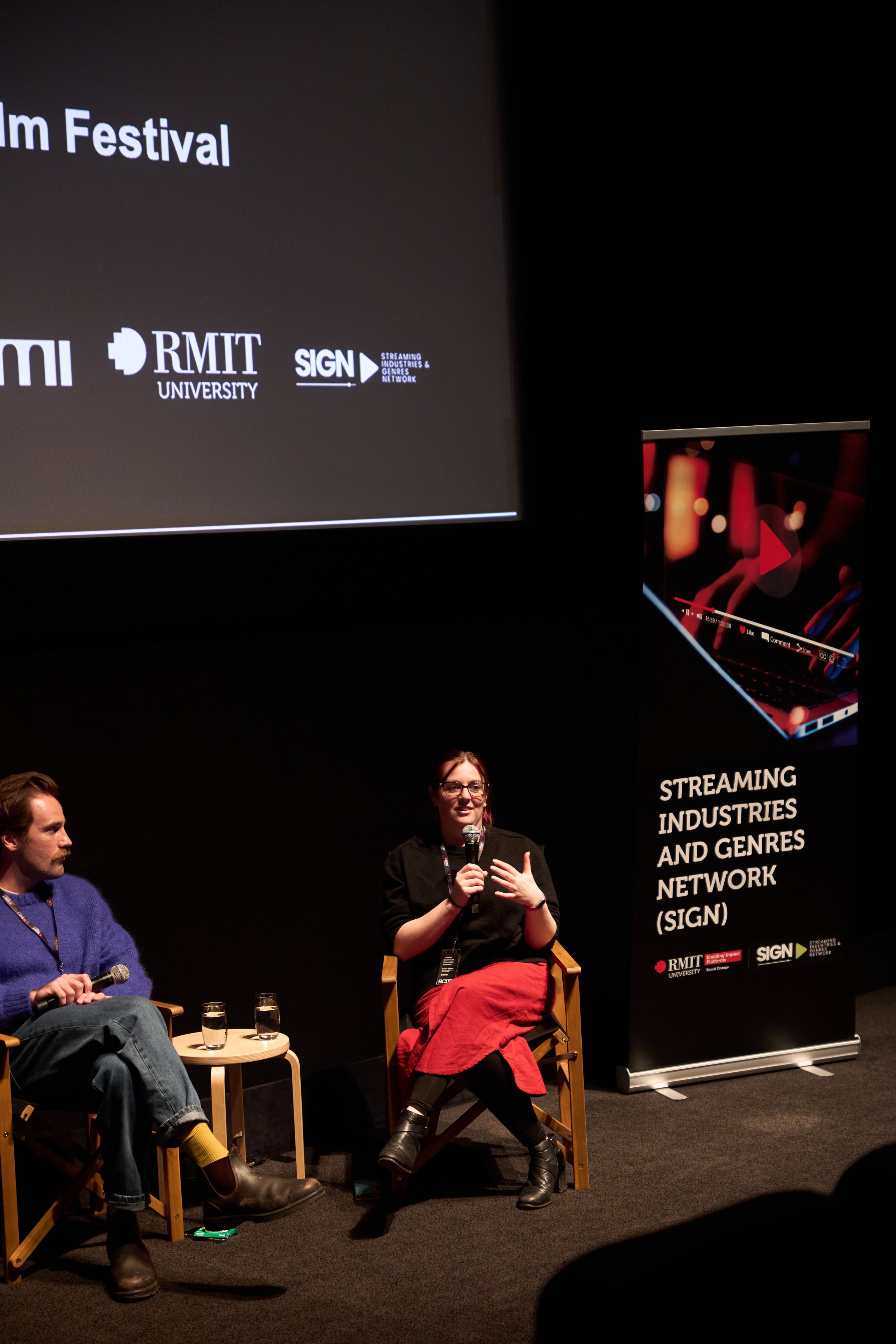
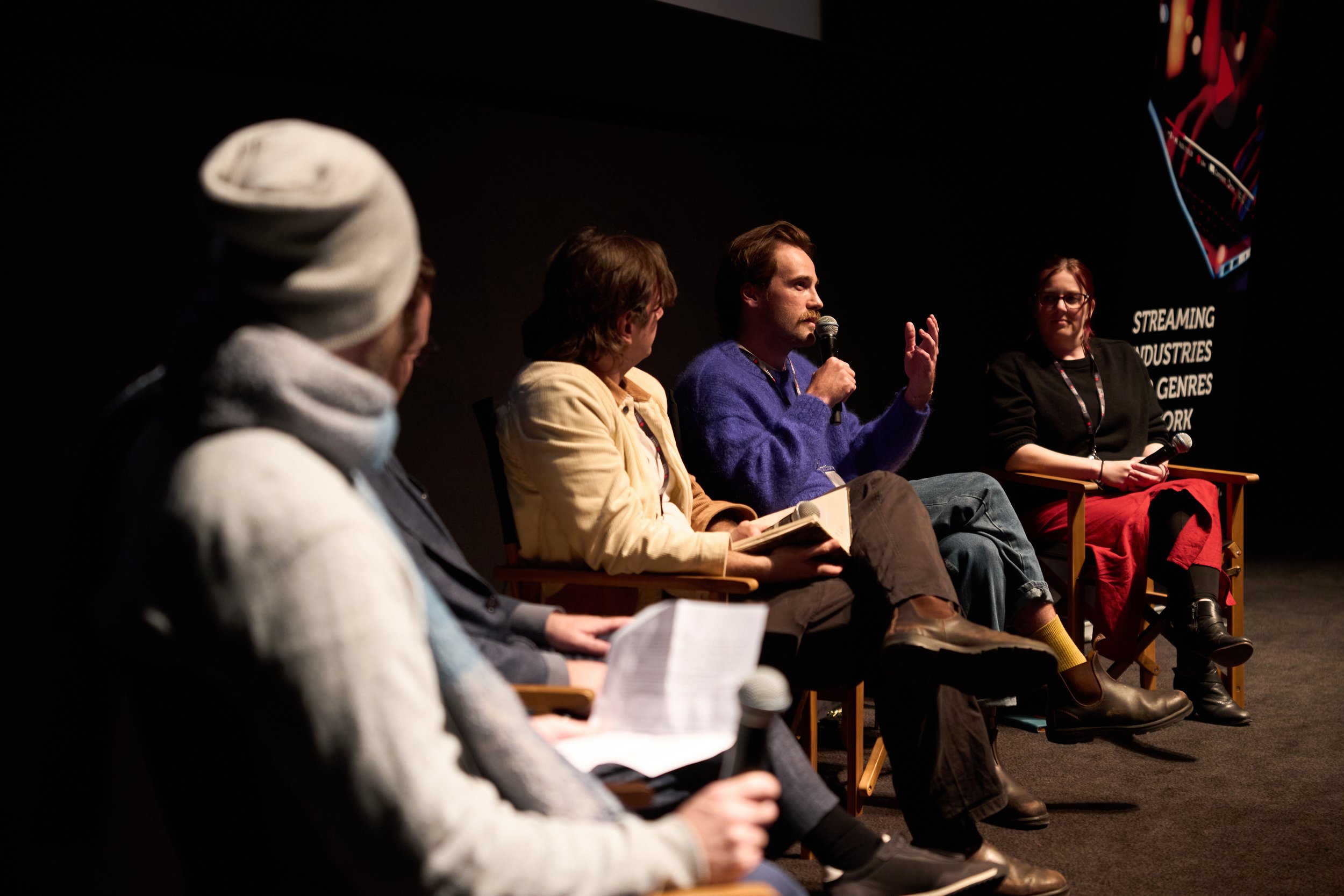
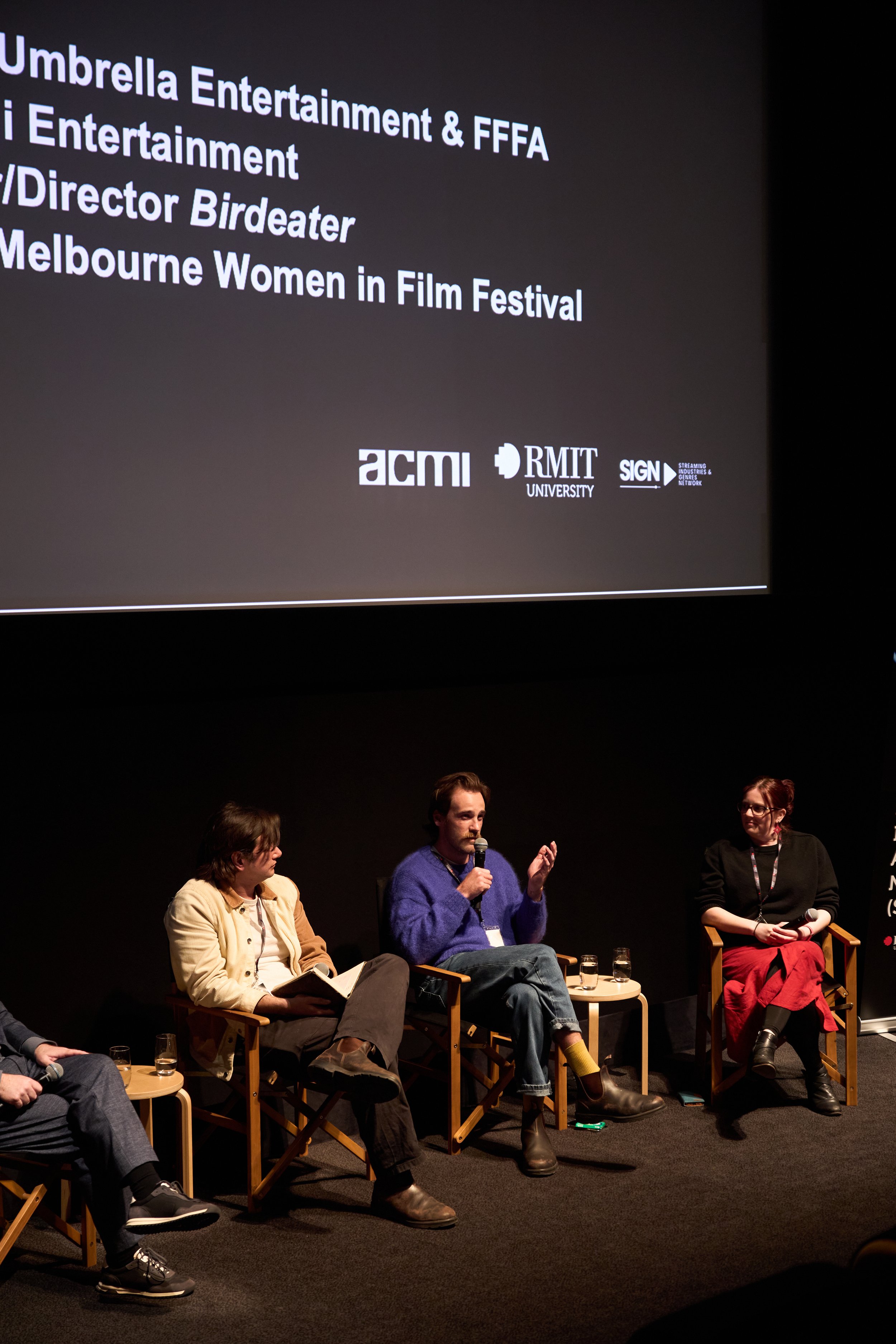
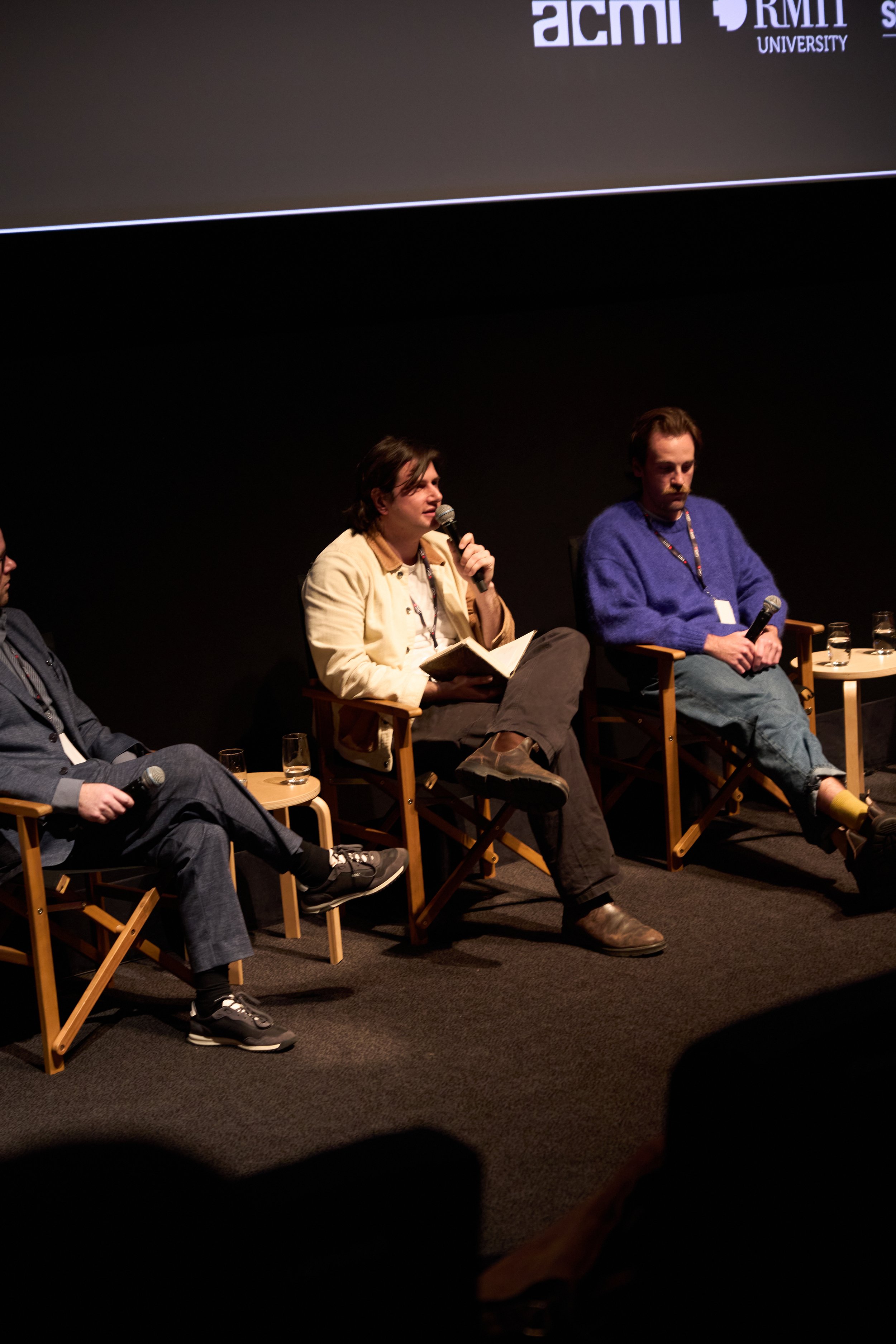
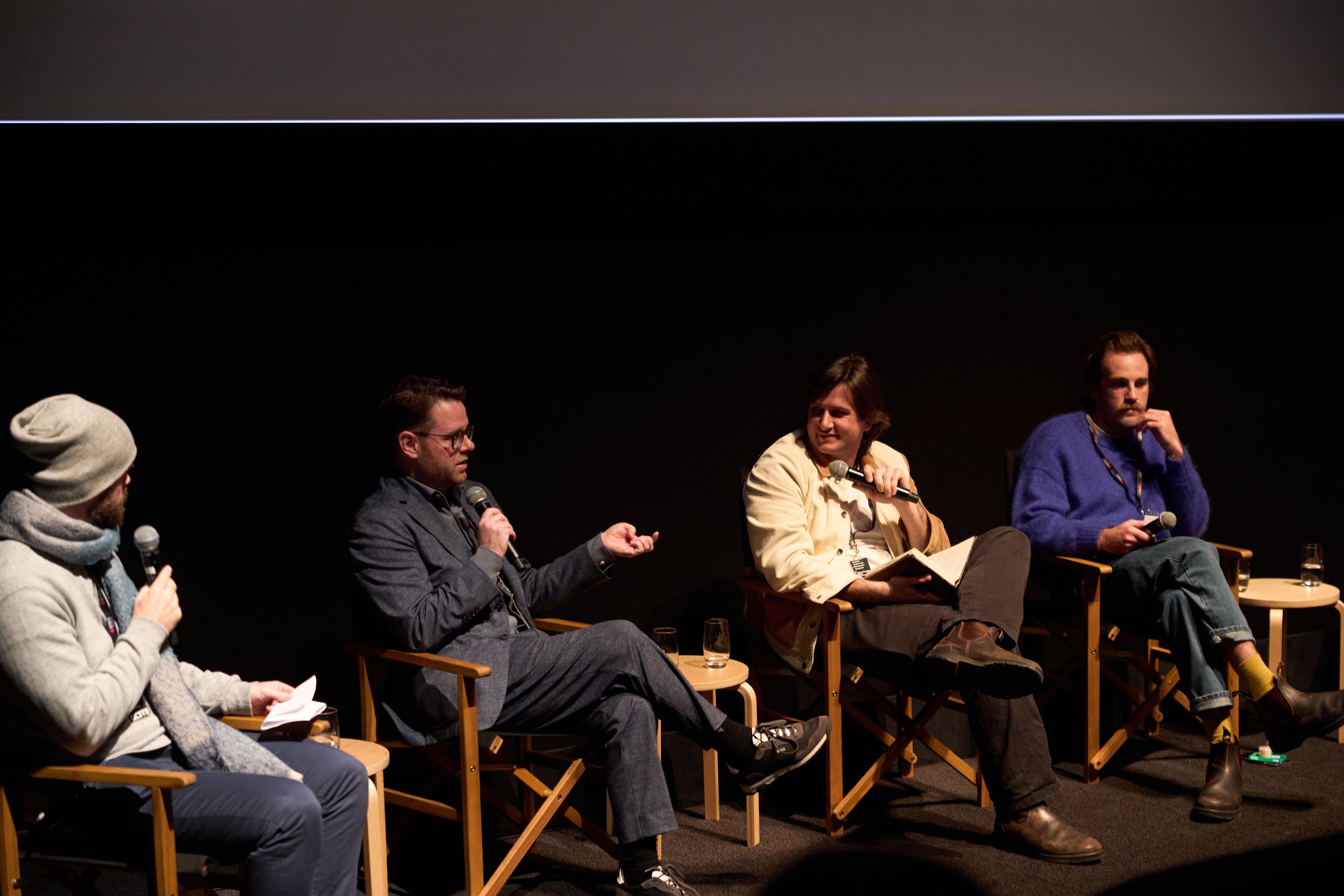
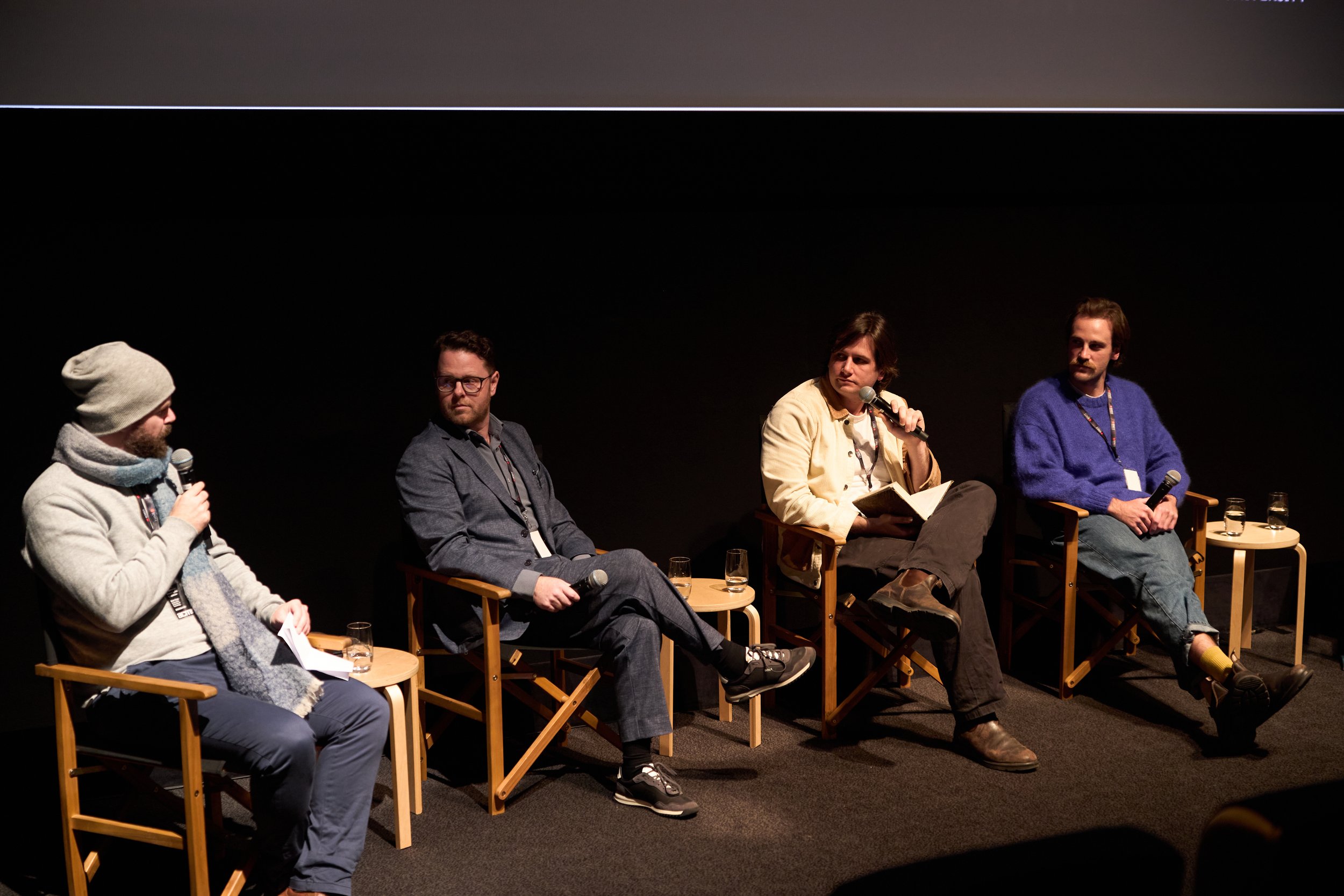
Panel discussions
Symposium convenors
Dr Alexa Scarlata (RMIT)
Dr Damien O’Meara (RMIT)
Dr Josie Vine (RMIT)
Associate Professor John Tebbutt (RMIT)
Professor Lisa Waller (RMIT)